Heart Disease
Symptoms Types And Causes Of Heart Disease
10 Common Symptoms And Signs Of High Blood Pressure
The Silent Assassin Within: Understanding and Preventing Heart Disease

If heart disease were a contract killer, it would be the highest-paid assassin in history, not for its stealth, but for its staggering body count.
In the United States alone, heart disease claims more lives each year than all cancers and accidental deaths combined.
Globally, it is responsible for nearly 18 million deaths annually, according to the World Health Organization. Yet unlike a hitman lurking in the shadows, this killer thrives on everyday habits: the cheeseburger devoured during a lunch break, the cigarette lit after a stressful meeting, the evening spent motionless on the couch. The chilling truth is that heart disease is largely preventable. A well-cared-for heart rewards its owner with decades of vigorous life, while neglect quietly writes a different ending.

What Exactly Is Heart Disease?
Heart disease isn't a single condition but a family of disorders affecting the heart and blood vessels. The most common type is coronary artery disease (CAD), where fatty plaques, composed of cholesterol, calcium, and other substances, gradually narrow the arteries that supply oxygen-rich blood to the heart muscle. Think of it as rust slowly clogging a pipe. When a plaque ruptures, a blood clot can form, completely blocking the artery and causing a heart attack. Other forms include arrhythmias (irregular heartbeats), heart valve problems, and heart failure, where the heart simply cannot pump blood effectively. Each of these can be triggered or worsened by lifestyle choices.

The Plate as a Weapon: Eating to Defeat Heart Disease
Your fork is either a tool of prevention or a delivery device for disease. Diets loaded with trans fats (found in margarine, packaged cookies, and many fried fast foods), saturated fats (red meat, butter, cheese), and refined sugars directly fuel plaque buildup. For example, a single fast-food meal, say, a double cheeseburger, large fries, and a milkshake, can contain more than 80% of the daily recommended limit for saturated fat, plus a spike of sodium that raises blood pressure. Over time, this repeated assault inflames arterial walls, making them sticky and vulnerable to plaque.

Conversely, heart-protective foods are abundant and delicious. Oatmeal, beans, and lentils are rich in soluble fiber, which acts like a sponge to soak up cholesterol and escort it out of the body. Fatty fish such as salmon, mackerel, and sardines provide omega-3 fatty acids that lower triglycerides and reduce inflammation. A handful of almonds or walnuts daily can improve cholesterol profiles. Even dark chocolate (70% cocoa or higher) in small amounts has been shown to support arterial flexibility. The Mediterranean diet, which emphasizes olive oil, vegetables, whole grains, and fish while limiting red meat, has been proven in clinical trials to reduce heart attack risk by nearly 30%.

Smoking: The Accelerant That Fuels the Fire
If heart disease is a slow-burning fire, smoking is pouring gasoline on the flames. Cigarette smoke contains over 7,000 chemicals, including nicotine (which constricts blood vessels and forces the heart to work harder), carbon monoxide (which displaces oxygen in the blood), and free radicals (which damage the delicate lining of arteries). A smoker is two to four times more likely to develop coronary heart disease than a nonsmoker. Even light or occasional smoking, just a few cigarettes a day, doubles the risk of sudden cardiac death.
The good news is that the heart begins to heal almost immediately after quitting. Within 20 minutes, blood pressure and heart rate drop. Within 24 hours, carbon monoxide levels return to normal, and oxygen reaches your tissues properly. After one year, your risk of heart attack drops by half compared to a current smoker. After 15 years, it mirrors that of someone who never smoked. It does not matter if you have smoked for five years or fifty; every cigarette you skip gives your heart a fighting chance. For example, a 60-year-old who quits today can add up to three healthy years to their life, free from the oxygen tank and the chest pain of angina.

Movement as Medicine: Exercising Your Most Vital Muscle
The heart is a muscle, and like any muscle, it weakens without use. Regular physical activity strengthens the heart’s contractions, lowers resting heart rate, reduces blood pressure, raises “good” HDL cholesterol, and helps control blood sugar. Even more importantly, exercise promotes the growth of collateral blood vessels, natural bypasses around narrowed arteries. Think of it as your body building its own emergency detours.
You don’t need to run marathons. Brisk walking for 30 minutes a day, five days a week, cuts cardiovascular risk by nearly 20%. Add two weekly sessions of resistance training (lifting weights or doing bodyweight exercises like push-ups and squats) and your risk drops further. For real-world examples: climbing stairs instead of taking the elevator, parking at the far end of the parking lot, or gardening vigorously for 45 minutes all count. One landmark study found that people who replaced just 30 minutes of sitting with light activity each day lowered their risk of early death by 14%. Those who chose moderate-to-vigorous exercise saw a 40% reduction.

A patient with early signs of heart disease who began walking 20 minutes each evening, slowly at first, then building pace, saw their blood pressure fall from 145/90 to 125/80 within six months, without added medication. Another example: a sedentary office worker who started taking three 10-minute “walk breaks” during the workday lost 12 pounds over a year and reversed their prediabetes, a major risk factor. The key is consistency, not intensity. Speak with your doctor before starting any program, especially if you already have heart problems or joint issues. But do not use caution as an excuse for inertia. You have only yourself to blame if you choose to ignore the single most effective non-drug intervention for heart health.
Small Changes, Lifelong Dividends
Preventing heart disease does not require a monastic existence. It requires conscious, repeatable choices. Swap the soda for sparkling water with lemon. Replace one red-meat dinner each week with a lentil stew or grilled fish. Walk while you talk on the phone. Quit smoking with the help of nicotine patches, support groups, or prescription aids, whatever it takes. These actions accumulate like compound interest. The heart you save will not be a statistic; it will be the engine behind every laugh, every embrace, every sunrise you live to see. The assassin is real, but the power to disarm it has been in your hands all along.

Heart Disease Patient Education & Care Guidelines
Heart disease is one of the leading causes of death in most developed countries around the world, and the number of cases is rising constantly as a result of both modern lifestyles and increased overall longevity. While developing the condition can create a devastating impact on the sufferer's life,modern medicine has developed several effective treatments for heart disease, ranging from drugs and lifestyle improvements right through to surgery. Obviously, prevention is always better than cure, so before we take a look at a number of the symptoms of cardiac disease, we'll look at some of the ways you can help your body ward off the risks. Adopting a healthy lifestyle can go a long way to minimizing the likelihood of developing cardiac problems.
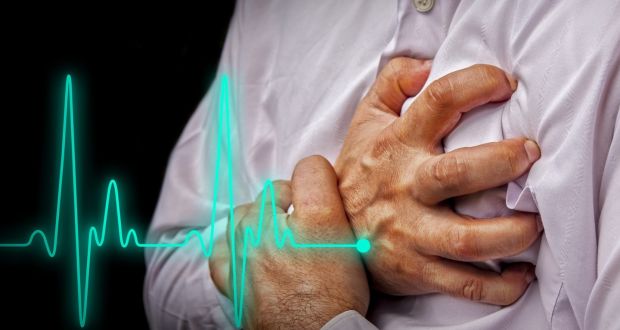
Heart Disease And Heart Attack
But there is unfortunately an element of inherited hazard, so even those with exceptional overall health may find that they're genetically programmed towards heart disease in later life. Thankfully, the greatest influence genetics has on heart disease is that of making us more susceptible to certain causes, and with well thought-out adjustments of our lifestyles we can greatly improve our prospects of avoiding it. Two of the most deadly contributors to cardiac problems are smoking and obesity. Both of these can raise blood pressure to dangerous levels, putting extra strain on the heart.
Smoking causes the build up of fatty deposits within the arteries, also causing circulation problems. A person being overweight also tends to mean that a healthy diet is not being followed, and so the body may well be short of essential minerals and nutriments that the heart needs to keep on functioning healthily. Quitting smoking and other unhealthy practices such as excessive drinking, along with improving diet and taking up exercise to reduce weight can go a long way towards averting problems.
The symptoms of a developing heart problem can be both subtle and dramatic. It is unfortunate that many of the symptoms can also indicate other less dangerous conditions, and so a diagnosis of heart disease is often made later than it could have been.
If you come across more than one of the symptoms below,then a trip to your doctor is highly advisable.
Breathlessness Breathlessness when engaged in physical activity is normal to some extent for almost everyone. But if you find you're becoming breathless more and more easily then this is a clear sign that your general fitness levels aren't all they could be, and that your heart may be struggling under the pressure.
Palpitations Palpitations, that is a heavily or unevenly beating heart, can be a sign of anxiety or can come on after extreme exercise, but if neither of these situations apply then heart problems could well be the culprit.

A Tingling Feeling A tingling feeling in bodily
extremities such as fingers, toes or lips is often a sign that your
circulation system isn't delivering enough oxygen, again a sign of
possible heart problems.
Should your extremities go on to
develop a blueish color then this is certainly not a good sign, and
medical attention should be sought at once.

FrizeMedia Ghana SEO SEM Digital Marketing Proposal
The Best And Top Digital Marketing And SEO Services In Ghana
Chest Pains The final and most obvious sign of cardiac problems is a feeling of tightness or pain in the chest, a condition known as angina.
If you feel chest pain with any regularity, even if not particularly severely, a medical check up is advisable to make sure you catch any problems as early as possible.
Angina can be controlled very well by medication in many cases, and doesn't necessarily have to develop into full-blown heart disease.
To summarise, living a healthier lifestyle while looking out for the symptoms will greatly reduce the risk of your life being devastated by heart disease.

What are 4 types of heart diseases?
Arrhythmia. An arrhythmia is a heart rhythm abnormality.
Atherosclerosis. Atherosclerosis is a hardening of the arteries.
Cardiomyopathy. This condition causes the heart’s muscles to harden or grow weak.
Congenital heart defects. Congenital heart defects are heart irregularities that are present at birth.
Coronary artery disease (CAD). CAD is caused by the buildup of plaque in the heart’s arteries. It’s sometimes called ischemic heart disease.
Heart infections. Heart infections may be caused by bacteria, viruses, or parasites. The term cardiovascular disease may be used to refer to heart conditions that specifically affect the blood vessels.
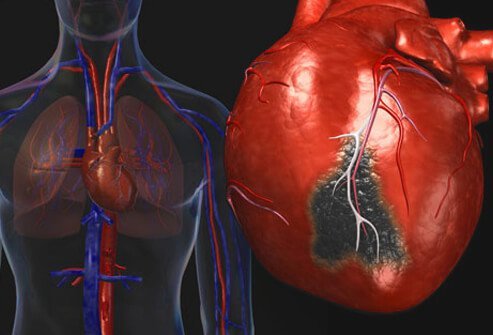
What are the symptoms of heart disease?
Arrhythmias Arrhythmias are abnormal heart rhythms. The symptoms you experience may depend on the type of arrhythmia you have — heartbeats that are too fast or too slow. Symptoms of an arrhythmia include:
- lightheadedness
- fluttering heart or racing heartbeat
- slow pulse
- fainting spells
- dizziness
- chest pain
Atherosclerosis Atherosclerosis reduces blood supply to your extremities. In addition to chest pain and shortness of breath, symptoms of atherosclerosis include:
- coldness, especially in the limbs
- numbness, especially in the limbs
- unusual or unexplained pain
- weakness in your legs and arms

Congenital heart defects Congenital heart defects are heart problems that develop when a fetus is growing. Some heart defects are never diagnosed. Others may be found when they cause symptoms, such as:
- blue-tinged skin
- swelling of the extremities
- shortness of breath or difficulty breathing
- fatigue and low energy
- irregular heart rhythm

Health Wellbeing Diet Fitness Diseases Nutrition
Coronary artery disease (CAD) CAD is plaque buildup in the arteries that move oxygen-rich blood through the heart and lungs. Symptoms of CAD include:
- chest pain or discomfort
- a feeling of pressure or squeezing in the chest
- shortness of breath
- nausea
- feelings of indigestion or gas

Dehydration A Common Problem With A Simple Remedy
Cardiomyopathy Cardiomyopathy is a disease that causes the muscles of the heart to grow larger and turn rigid, thick, or weak. Symptoms of this condition include:
- fatigue
- bloating
- swollen legs, especially ankles and feet
- shortness of breath
- pounding or rapid pulse

Heart infections The term heart infection may be used to describe conditions such as endocarditis or myocarditis. Symptoms of a heart infection include:
- chest pain
- chest congestion or coughing
- fever
- chills
- skin rash
Healthy Eating And Looking After Your Heart
InternetBusinessIdeas-Viralmarketing Home Page
Tweet
Follow @Charlesfrize