Singapore News and Latest Updates
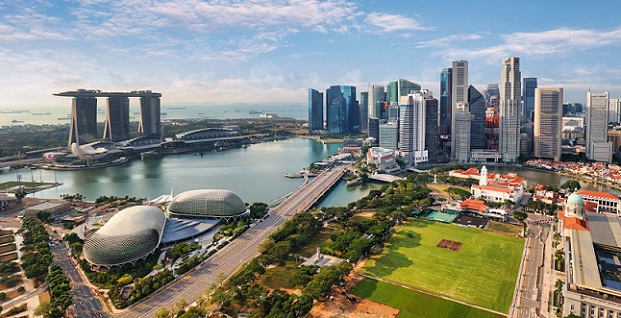
Everything You Need to Know About Singapore
China India Malaysia Russia Hong Kong Afghanistan Pakistan Armenia Japan Taiwan Thailand Myanmar Indonesia North Korea Bangladesh Kurdistan Central Asia Azerbaijan Vietnam Kazahkstan Philippines South Korea
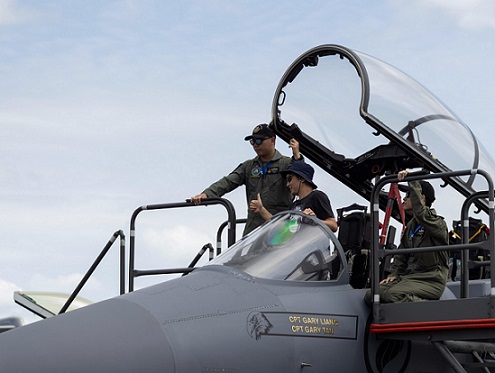
Geopolitical Tensions Fuel Demand for Dual-Use Tech at Singapore Airshow

SINGAPORE: Small- and medium-sized enterprises (SMEs) specialising in dual-use technologies, applicable to both civilian and defence sectors, are reporting surging interest at the Singapore Airshow 2026.
This heightened demand is driven by concurrent global pressures: rising geopolitical tensions and the ongoing recovery and innovation needs of commercial aviation.
The event itself features record investment participation from SMEs, a sign of expanding opportunities for smaller players within the aerospace ecosystem. For providers of versatile technologies, this interest is particularly pronounced. One firm noted that inquiries from international buyers have more than doubled compared to previous years.
Innovations showcased span critical areas of aviation maintenance and capability. A prime example is advanced cold spray technology, a process used to repair and protect metal aircraft components. A cold spray machine, using a nozzle heated to 550°C to apply a protective coating of aluminium powder, can address issues ranging from manufacturing defects on passenger jets to wear on weapon launch rails for military aircraft.
Beyond advanced manufacturing, other dual-use fields attracting significant attention include satellite technology and artificial intelligence. These technologies underscore a strategic shift, as industries and nations seek adaptable solutions that serve both commercial growth and national security in an uncertain geopolitical climate.
Business Growth Over Past Two Years
Growing interest in dual-use technologies was evident at this year's airshow for local cold spray firm ECK. Marking its third appearance, the company has expanded from a small kiosk to a full-sized booth. This shift reflects what ECK sees as a prime environment for SME growth, allowing it to capitalize on a global boom.
"The industry is really running on full cylinders, and this is only on the civil side," said ECK director Dr. Koh Pak Keng. "If you look at the defence aspect, the geopolitical situation is pushing armed forces to look for unconventional solutions. Put those two together, and that offers us tremendous opportunity within this airshow."
According to the Association of Aerospace Industries Singapore (AAIS), SMEs offering dual-use technologies have seen significant business growth over the past two years as their capabilities become increasingly relevant across sectors.

"A lot of our SMEs are in critical processes and parts of the manufacturing value chain, so their capabilities can be applied to both commercial and military use. It is a common platform they can tap," said AAIS chief executive Chew Hwee Yong. "We just need to find the right multinational corporations and customers, modify them, and get on board."
Industry players state that the success of these local SMEs helps strengthen Singapore's global competitiveness. Global investment figures underscore the scale of the opportunity, with reports indicating a 25% rise in investment in dual-use technologies from the third quarter of 2024 to May 2025, reaching nearly US$1.2 trillion.
Beyond technical expertise, Singapore's reputation as a trusted partner is attracting defence-related interest, particularly among overseas clients.
Dr. Chew Siou Teck, CEO of Singapore-based electrical engineering firm iCredo Technologies, said the country is "positioned very well." He added, "We are also respected as somebody who will guard the secrets... As such, we are trusted partners. In the long run, I see that we are also here to stay, because we have the key technologies that are developed locally in Singapore."

Singapore Sharpens Its Digital Finance Focus: Tokenization in, Speculative Crypto Out.
Singapore is redrawing its digital asset boundaries, embracing tokenization while firmly sidelining speculative retail crypto.
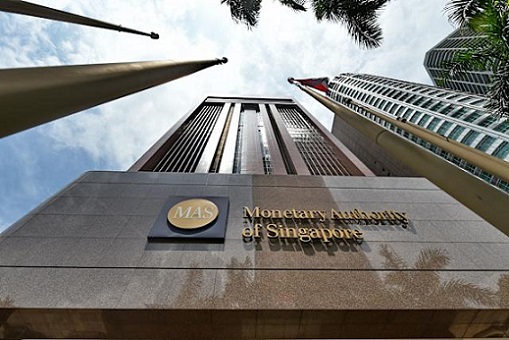
The Monetary Authority of Singapore (MAS) is positioning itself as a global architect of tokenized finance and cross-border settlement infrastructure.
Moving decisively beyond experimentation, MAS is advancing a suite of institutional-grade pilots, underpinned by upcoming stablecoin legislation, to cement Singapore’s role in the next phase of digital finance.
Central to this shift is next year’s planned issuance of tokenized government bills, settled in wholesale central bank digital currency (CBDC), a move MAS describes as potentially catalytic for the market’s “lift-off.”
This strategic pivot reflects a deliberate departure from Singapore’s earlier, more permissive stance. “The ‘everyone-can-try-crypto’ era in Singapore has ended,” noted Dr. Cheryl Wang of the Global Fintech Institute. “The focus now is on attracting serious financial institutions and Web3 enterprises, not speculative retail trading platforms.”
Tokenization is no longer just a concept, it’s becoming core financial infrastructure, and Singapore is building it with precision, regulation, and global ambition.
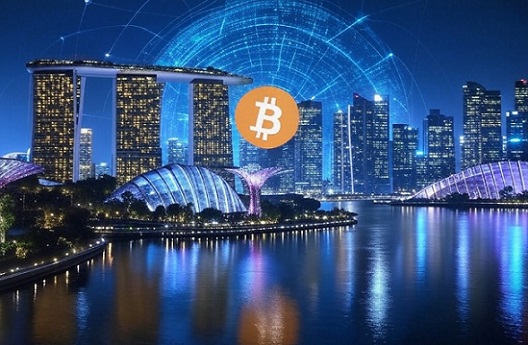
The Scars Left by Crypto Collapses
Singapore has been profoundly shaken by a wave of global crypto-related failures, prompting a significant recalibration of its regulatory stance. In 2022, the city-state’s sovereign wealth fund, Temasek Holdings, wrote off a $275 million investment following the dramatic collapse of FTX, a blow that undermined Singapore’s ambitions to position itself as a tightly regulated crypto hub.
The fallout was compounded by the implosion of Three Arrows Capital (3AC), a Singapore-based crypto hedge fund that had heavily invested in TerraUSD and Luna tokens before their catastrophic crash. The fund’s failure resulted in an estimated $8 billion in lost client assets, intensifying regulatory scrutiny of the local crypto ecosystem.
That same year, Ravi Menon, then-Managing Director of the Monetary Authority of Singapore (MAS), delivered a stark warning, describing cryptocurrencies as “highly hazardous” and affirming that Singapore had no intention of becoming a hub for speculative crypto activity. According to Dr. Wang, the nation is now redefining its role in the digital asset space, not as a playground for experimentation, but as a responsible steward of the industry.
“Over the past five years, Singapore has shifted away from being a key testing ground for crypto ventures,” she explained. “Today, the focus is on building robust back-end infrastructure, establishing common regulatory standards, and fostering trust, laying the groundwork for a more sustainable and resilient digital finance ecosystem.”
Common Standards Essential for Cross-Border Settlement, Says MAS
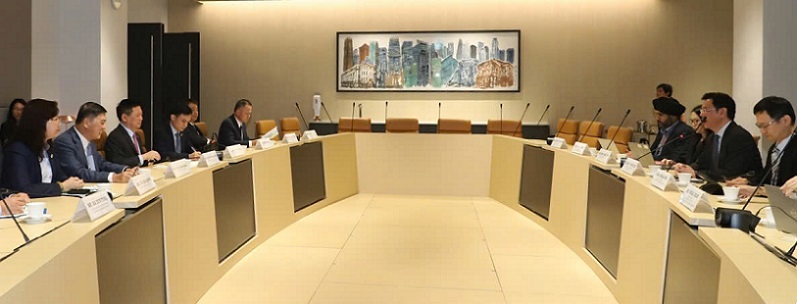
At Singapore Fintech Week 2025, Monetary Authority of Singapore (MAS) Deputy Managing Director Lim Sing Chiong emphasized the urgent need for global coordination to build the foundational infrastructure for asset tokenization.
He argued that the digital asset ecosystem will only achieve scale if financial networks operate like the global aviation industry, relying on standardized protocols, interoperable systems, and mutual trust. “If you think of global aviation, planes can fly anywhere in the world because everyone follows the same standards,” Leong said. “We need the same approach for cross-border digital money and tokenized asset settlement.”
Leong stressed that such an ecosystem will not “emerge by chance” and will require “hard work and heavy lifting” through close public-private collaboration. MAS has previously warned that without common standards, institutional risk aversion will lead to fragmented, “sub-scale walled gardens”, hindering the growth and efficiency of global digital finance.
Innovation in “Trusted” Tokenization
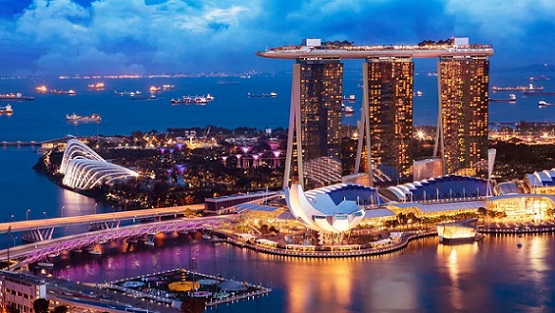
Singapore is spearheading one of the world’s most ambitious experiments in asset tokenization, transforming traditional financial instruments like government bonds and bank deposits into digital tokens that can settle instantly on blockchain networks.
At the heart of this effort is the SGD Testnet, a unified blockchain infrastructure that serves as the connective tissue for the government’s various tokenization initiatives. Developed under the Monetary Authority of Singapore’s (MAS) broader digital finance strategy, the testnet enables coordinated experimentation across multiple pilots.
It supports settlement trials for tokenized bonds, money market funds, and foreign exchange trades under Project Guardian, while simultaneously advancing the development of a programmable digital Singapore dollar through Project Orchid. This approach reflects what INSEAD Finance Professor Ben Charoenwong describes as “trusted tokenization”, a model in which blockchain innovation is deliberately anchored in institutional oversight. Unlike fully decentralized, “trustless” systems, Singapore’s framework ensures that banks and regulators remain central to the ecosystem.
“Regulators recognize that purely decentralized blockchains cannot satisfy fundamental anti-money laundering (AML) and Know Your Customer (KYC) requirements,” Charoenwong explains. “Turing-complete blockchains, by design, often lack the built-in compliance mechanisms necessary to operate within existing legal frameworks.”
By embedding trust through regulated participation, Singapore is pioneering a pragmatic path toward a next-generation financial system, one that marries the efficiency of blockchain with the accountability of traditional finance.
A “Turing-complete blockchain” enables a powerful smart contract system capable of executing any computable program, yet this very flexibility poses a regulatory challenge: authorities cannot guarantee that every possible execution path complies with the law.
To manage this complexity, tokenization sandboxes have focused on permissioned implementations, testing whether such systems can still deliver meaningful efficiency gains once integrated with real-world governance, verified reserves, and robust oversight.
The most recent initiative, BLOOM, launched in October, marks a significant expansion beyond central bank digital currencies (CBDCs). It now supports stablecoins, tokenized bank deposits, and wholesale payment instruments to enable faster, safer, and more efficient cross-border transactions.
Singapore is set to introduce comprehensive stablecoin legislation next year, requiring issuers to hold high-quality liquid assets and ensure reliable redemption. However, stablecoins are not the Monetary Authority of Singapore’s (MAS) top priority. MAS is placing greater strategic emphasis on wholesale CBDCs and tokenized bank deposits as cornerstones of its digital finance vision.
Professor Charoenwong cautions that the true systemic risk lies not in innovation itself, but in the potential contagion from poorly regulated foreign stablecoins. “The real threat,” he warned, “is the spillover effect these instruments can have, even into well-supervised markets.”
Expanding Partnerships with Banks: Singapore Advances Tokenized Finance
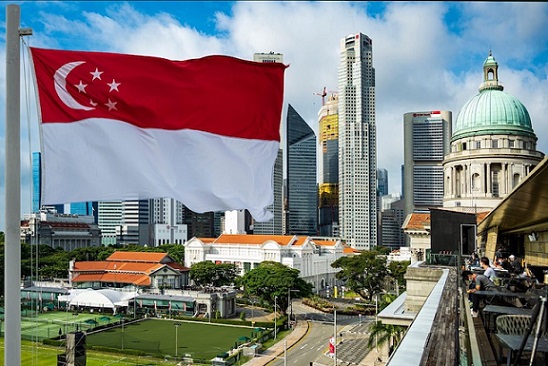
Singapore is accelerating its role as a hub for responsible digital finance through a series of strategic partnerships with global financial institutions. On November 13, the Monetary Authority of Singapore (MAS) signed a Memorandum of Understanding (MoU) with Germany’s Deutsche Bundesbank to develop common standards for cross‑border digital asset settlement. Parallel initiatives are underway with the Bank of England and the Bank of Thailand, focusing on real‑time foreign exchange transactions powered by interoperable systems.
Complementing these efforts, the Singapore Exchange (SGX) is preparing to launch exchange‑cleared Bitcoin and Ethereum perpetual futures for institutional investors, an important step toward bringing crypto exposure under regulated market infrastructure.
In MAS’s Project Guardian, a pioneering tokenization sandbox, Swiss investment bank UBS and Singapore-based digital payments firm Ant International are jointly testing tokenized bank deposits and real‑time cross‑border liquidity flows. These experiments aim to demonstrate how tokenization can enhance efficiency and transparency in wholesale financial markets.
Demand is also surging among Singapore’s wealth management firms for tokenized assets such as gold, U.S. Treasuries, and blockchain-based fund structures. Industry participants describe tokenization as a structural upgrade that significantly boosts capital efficiency and operational agility.
Dr. Cheryl Wang of the Global Fintech Institute cautions that the emerging era of tokenized finance, combined with round-the-clock AI-driven trading, will test not only the resilience of new systems, but also the values that anchor them. “The challenge,” she notes, “is to stay grounded in the mission that drives digital finance: to broaden inclusion, improve cross‑border payments, and ultimately enhance human welfare.”
She adds, “Technology should empower people. It should never replace them.”
Tweet