Art Tips
The Confident Canvas
Art Collecting: A Beginner’s Guide

Art collecting is a stimulating and inspiring hobby for everyone. It’s not reserved for the rich and famous; ordinary people can enjoy it, too.
There are countless forms of art to choose from, especially since the definition of art can vary greatly from person to person.
Ultimately, the form doesn’t matter; you get to decide what appeals to you and how much you’re willing to spend on a piece. From thrift store paintings to digital NFTs, every piece you acquire reflects your passions, sparks conversations, and truly adds affordable beauty to everyday living without breaking the bank at all.

To Go for Prints or Originals?
In the art world, some people may look down on others for having different tastes when choosing art. For instance, there are those who only buy original works and would never consider purchasing prints. However, if you’re just starting to collect art and are doing so for your own enjoyment, originals aren’t really necessary, especially if they’re far out of your budget.
There is nothing wrong with buying prints. In fact, they are an excellent way to own framed art that looks lovely on your wall, much like an original would, but at a much lower price. That said, prints won’t have the same texture or dimensional quality as original works. Originals often show dimension and texture, while prints do not. Still, well-printed artworks are by no means a compromise.
In reality, many art collectors own prints by various artists, purchased inexpensively from the internet, galleries, or art fairs. Remarkably, such pieces still look tasteful and classy, not cheap, as many people might expect.

All Framed Up
Once you’ve found an original artwork or print you like, you have two options: frame it yourself or have it framed professionally. Frames come in a wide range of prices, from inexpensive metal styles to ornate, hand-carved wooden frames that can cost a fortune.
Mats (paper or illustration board used to border the artwork inside the frame) are another consideration. Be aware that the wrong mat can detract from your print. If you’re new to framing, consider taking your piece to a professional first. Pay attention to how they present different mat and frame style options.
Don’t rush when choosing a mat. Take your time and deliberate carefully, because the combination of mat and frame colors greatly affects how your artwork will look. Also consider how the framed piece will fit into the space where you plan to display it, whether at home or in the office.
For a clean, contemporary look, Nielsen brushed metal frames are a great choice. They’re affordable yet elegant and come in various colors. Black or bronze are safe, versatile options.
If you’re displaying art in a gallery, bronze frames work well, especially since they won’t break the bank. Keep in mind that many people who buy art from galleries end up reframing it to match their own home décor.
If you prefer wood, consider naturally stained wooden frames. Cherry and mahogany are popular choices, their deep, reddish tones bring an elegant look to almost any artwork.

What Is A Giclee?
Art Tips: In the French dictionary a giclee (zhee-CLAY) will be defined as meaning “to spray or squirt.” However others might say "giclee" doesn't mean "to spray,” that "Giclee" isn't an infinitive and that it is the feminine of a past participle. So if there is some argument over what the term Giclee means I believe that the intention of the term is to define a printed copy of an original artwork. Giclee is basically scanning the artwork and then using that scan to print it out on a special printer.
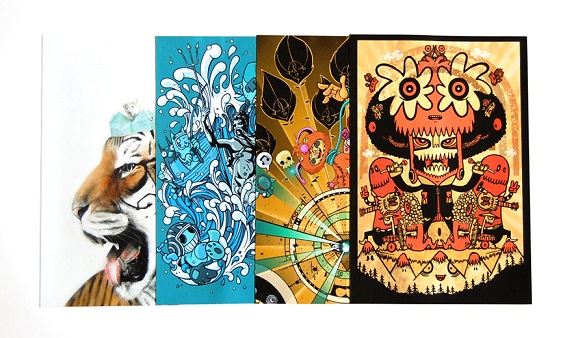
Art Tips - Giclee
This printer is not the same as a standard desktop inkjet printer, and is much larger. Giclee prints are a little over a meter wide and are often referred to as a “knitting machine” as they look very similar. Giclees are produced from digital scans of existing artwork. Also, since many artists now produce only digital art, there is no "original" that can be hung on a wall. Giclees solves that problem, while creating a whole new vibrant digital medium for art.
When printing, there are any number of media, for example canvas to watercolor, paper to transparent acetates. Giclees are better than the traditional lithography in many ways. The colors are brighter, last longer and are so high-resolution that they are virtually continuous tone, rather than tiny dots. The range of color for giclees is far beyond that of lithography, and by viewing in comparison with each other you will find that the details are far crisper in giclee.

Lithography prints use tiny dots of four colors--cyan, magenta, yellow and black; to fool the eye into seeing various hues and shades. Colors are "created" by printing different size dots of these four colors. Again Giclee uses inkjet technology, but more sophisticated than your desktop printer. The process employs six colors--light cyan, cyan, light magenta, magenta, yellow and black--of lightfast, pigmented inks and finer, more numerous, and replaceable print heads resulting in a wider color gamut, and the ability to use various media to print on.

FrizeMedia Ghana SEO SEM Digital Marketing Proposal
The Best And Top Digital Marketing And SEO Services In Ghana
The ink is sprayed onto the page, actually mixing the color on the page to create true shades and hues. Giclee was originally developed as a proofing system for lithograph printing presses, but it became apparent that the presses were having a hard time delivering the quality and color of the giclee proofs. They evolved into the more popular form over lithography’s and are now the cheaper and more common way to make a copy print.
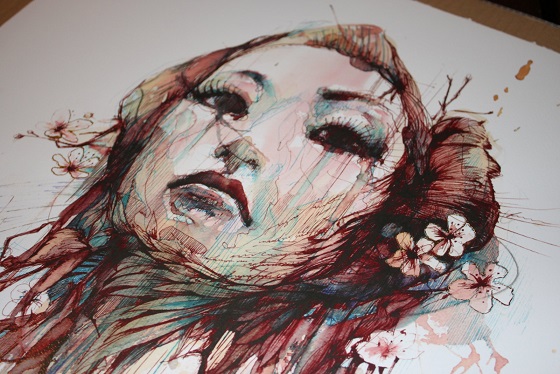
They evolved into the more popular form over lithography’s and are now the cheaper and more common way to make a copy print. They are coveted by collectors for their fidelity and quality, and desired by galleries because they don't have to be produced in huge quantities with their large layout of capital and storage. In addition, Giclee is produced directly from a digital file that is created by scanning the original. This will save generations of detail-robbing negatives and printing plates, as with traditional printing.
Browse All Our Informative Topics
InternetBusinessIdeas-Viralmarketing Home Page
Tweet
Follow @Charlesfrize