Public Speaking
The Craft of Communication

The Power of the Pause: How Strategic Silence Elevates Your Public Speaking
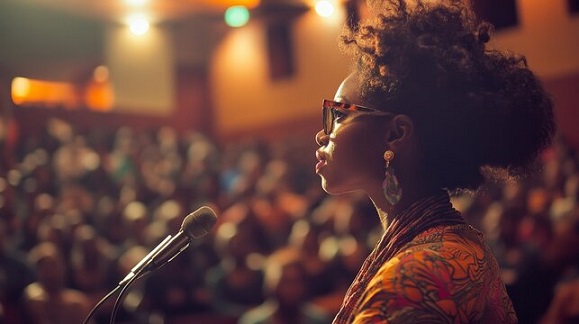
In public speaking, how you deliver your message is often more impactful than the words themselves.
A critical, yet frequently overlooked, component of delivery is timing, specifically, the strategic use of pauses.
Mastering this element transforms a monologue into a compelling conversation with your audience, holding their attention and amplifying your message.
Why Pauses Are Essential:
Contrary to instinct, silence does not signal a loss for words but projects confidence and control. Non-stop speaking overwhelms your audience, causing them to disengage. A well-placed pause, however, gives them critical time to absorb complex ideas, creates anticipation, and makes you appear thoughtful and authoritative. It is the hallmark of a skilled presenter.

Strategic Uses and Examples of Pauses:
1. The Punctuation Pause (Short: 0.5-2 seconds)
Purpose: To separate thoughts, replace verbal filler ("um," "like"), and improve clarity.
Example: "Our quarterly results were strong // but they reveal a deeper challenge // in customer retention." (The slashes represent brief pauses).
2. The Emphasis Pause (Medium: 2-3 seconds)
Purpose: To highlight a key word or phrase immediately following the silence.
Example: "And this is what we discovered after years of research... // paradox." (The pause before "paradox" forces the audience to lean in and gives the word extra weight).
3. The Dramatic Effect Pause (Long: 3+ seconds)
Purpose: To build suspense before a major reveal or to allow a significant idea to resonate fully.
Example: "So we opened the data, and the number one predictor of success was... // (hold eye contact, wait)... // consistent kindness."
4. The Punchline Pause
Purpose: To facilitate humor. You must pause after delivering a punchline to allow laughter to start and build.
Rule: Never speak over laughter. Your voice will be drowned out, and you will cut the reaction short. Maintain eye contact and smile, then resume only as the laughter subsides.
5. The Audience-Adjustment Pause
Purpose: To accommodate different audience sizes. Larger crowds react more slowly; laughter and comprehension take longer to ripple to the back.
Application: In a large hall, extend your pauses slightly longer. After a punchline or critical point, consciously wait for the reaction to peak before continuing. With a small group, your timing will feel more conversational and quicker.
Key Timing Principles to Remember:
Protect the Laughter: As noted, laughter is fragile. The pause after a funny line is non-negotiable. It’s an invitation for the audience to react.
Silence is Your Tool: Do not fear quiet moments. Intentional silence is not dead air; it is active communication that commands focus.
Pace for Comprehension: Use short punctuation pauses to slow your overall pace. This gives everyone, regardless of their listening speed, a chance to stay with you.
By weaving these deliberate silences into your speech, you move from simply sharing information to creating an experience. You control the rhythm, emphasize your message, and connect with your audience on a deeper level, proving that sometimes, the most powerful thing you can say is nothing at all.

History Of Public Speaking
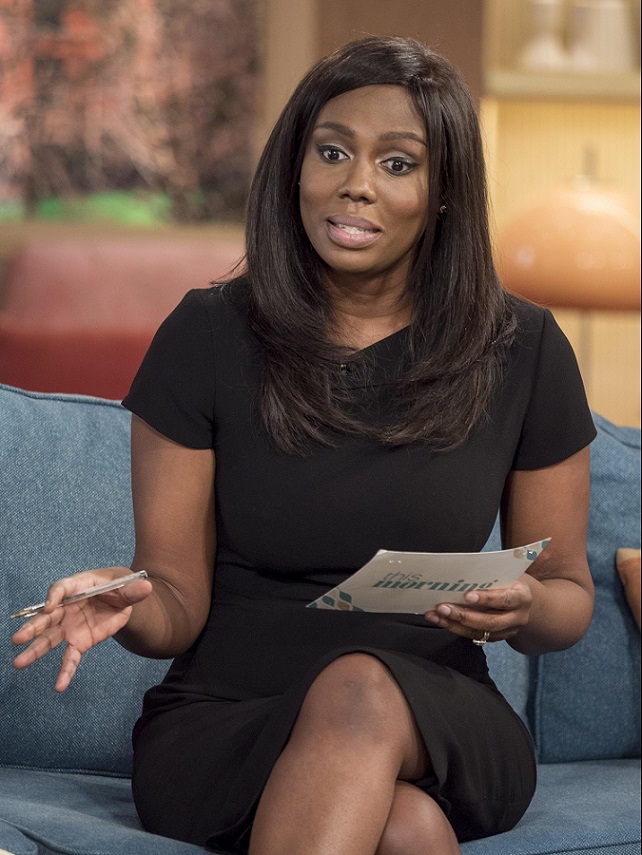
Public speaking: There never has been a time in the history of the world when the spoken word has been equaled in value and significance by any other channel of communication. If one traces the development of mankind from what he considers its earliest stage, he will find that the wandering family of savages depended entirely upon what its members said to one another.
A little later when a group of families made a clan or tribe, the individuals still heard the commands of the leader, or in tribal council voiced their own opinions. The beginnings of poetry show us the bard who recited to his audiences. Drama, in all primitive societies was a valuable tool in the spreading of knowledge, entertainment, religion,and always entirely oral. Later on, well organized communities as in the city republics of Greece, all matters were discussed in open assemblies despite rather small populations.
Every great epoch of the world's progress shows the supreme importance of speech upon human action, both individual and collective. In the Roman Forum, speeches were made that affected the entire ancient world. Renaissance Italy, imperial Spain, unwieldy Russia, freedom loving England, revolutionary France, all experienced periods when the power of certain men to speak stirred other men into tempestuous action. The history of the United States might almost be written as the continuous record of the influence of great speakers upon others.

We Are Helping 1000 Businesses Amplify Their Online Presence
The colonists were led to concerted action by persuasive speeches. There is no aspect of modern life in which the spoken word is not supreme in importance. The history of the slavery problem is mainly the story of famous speeches and debates. Most of the active Americans representatives have been leaders because of their ability to impress their fellows by their power of expressing sentiments and enthusiasms which all would voice if they could. Presidents have been nominated and candidates elected because of this equipment.

During the Great War the millions of the world were as much concerned with what some of their leaders were saying as with what they were doing. Representatives of the nations of the world deciding upon a peace treaty and deliberating upon a League of Nations sway and are swayed by speech. National assemblies from the strangely named new ones of infant nations to the century old organizations speak, and listen to speeches. In state legislatures, municipal councils, law courts, religious organizations, theaters, lodges, societies, boards of directors, stockholders' meetings, business discussions, classrooms, dinner parties, social functions, friendly calls in every human relationship where two people meet there is communication by means of speech.

Public Speaking Presentations Without Powerpoint
9 Effective Tips On Public Speaking
InternetBusinessIdeas-Viralmarketing Homepage
Tweet
Follow @Charlesfrize