Basil

Beyond Pesto: Exploring the Versatile World of Basil
Food And Drink Milk Essentials Of Cooking Salt And Pepper Cheese High Blood Pressure Fruit Cuban Cuisine Fish Quercetin Avocado Dehydration B Vitamins Green Tea Benefits Cabbage Soup Middle Eastern Cuisine Caribbean Food Food Jamaica Blue Mountain Coffee Buffalo Meat Beer Brewing Souvlaki Coffee French Cuisine Flax Seed Magnesium
Basil: The Crown Jewel of the Culinary Herb Garden
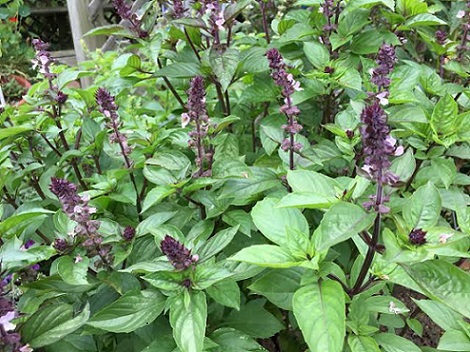
Few herbs command the culinary reverence of basil.
Celebrated across continents, this aromatic plant is a cornerstone of Italian, Thai, and Vietnamese cooking, yet its appeal transcends any single cuisine.
With a warm, gently perfumed flavor underscored by a subtle hint of spicy aniseed, basil possesses a remarkable ability to elevate both simple and complex dishes alike.
Its most legendary partnership is undoubtedly with the tomato. Whether scattered raw over a classic Italian Caprese salad, where its peppery notes cut through creamy mozzarella, or simmered into a rich, slow-cooked pasta sauce, basil brings brightness and depth that few other herbs can replicate. Beyond the tomato, basil achieves its most iconic form as pesto, known as pistou in southern France. This vibrant green sauce, born from the simple alchemy of fresh leaves, pine kernels, extra-virgin olive oil, Parmesan cheese, and garlic, is a testament to basil's power to transform humble ingredients into something unforgettable.
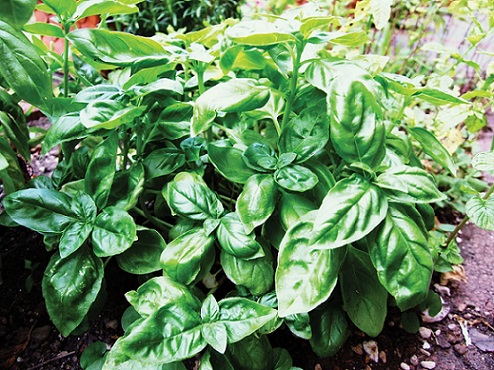
As with most herbs, basil is widely available both fresh and dried, though the fresh variety is unequivocally superior in flavor and fragrance. If you chance upon an abundant harvest, preserving it at home is a worthwhile endeavor. While slow-drying in a very low oven is an option, this method exacts a heavy toll on the herb's essential oils, leaving a muted shadow of its former self. A far more effective technique is to blitz the leaves into a smooth purée and freeze them in ice-cube trays; these vibrant green cubes can be dropped directly into soups, stews, or sauces, locking in that just-picked taste for months.
Given that fresh basil can be surprisingly costly, growing your own is both economical and deeply rewarding. It is one of the most beginner-friendly herbs to cultivate, and tending your own plants guarantees an unending supply of leaves at their peak of freshness. Native to warm, tropical climates, basil thrives in full sun and requires a sheltered position to truly flourish. A south-facing patio or a sun-drenched windowsill is ideal; better still, positioning a pot just outside your kitchen door ensures you can snip a few leaves on a whim, exactly when your recipe demands them.
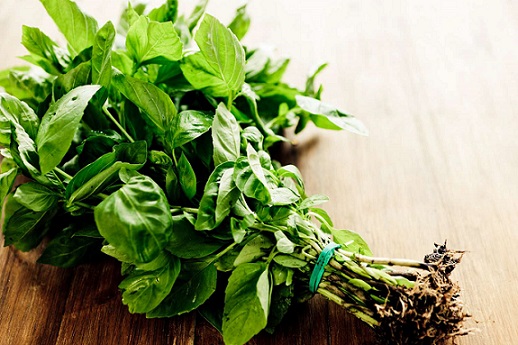
To get the most from your plant, a little intervention goes a long way. Left to its own devices, basil tends to grow tall, leggy, and sparse, producing only a meager offering of leaves. Encourage a bushier, more generous habit by "pinching out" the topmost young shoots as the plant grows, this simple act redirects energy into lateral branching, resulting in a lush, compact herb. Regular harvesting, far from harming the plant, actually stimulates even more vigorous regrowth.
As a tender annual, basil is highly sensitive to cold and will quickly succumb to frost. To extend its lifespan, bring containers indoors at the first hint of dropping temperatures, or sow a succession of new seeds indoors throughout the year to maintain a continuous supply, regardless of the season.
While basil is first and foremost a culinary treasure, it does possess minor antiseptic qualities, though it is rarely employed in formal herbal medicine. Nevertheless, as a proud member of the extensive mint family, it shares its relatives' gentle digestive-soothing properties, making it a thoughtful addition to heavier meals.
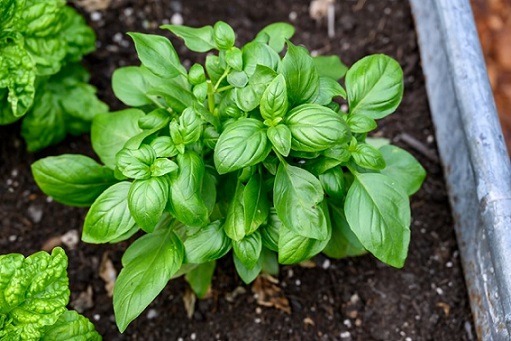
The world of basil extends far beyond the familiar green leaf. The Genovese variety remains the gold standard for authentic Italian cooking, offering that classic, sweet aroma and robust flavor. Meanwhile, the striking purple-leaved 'Holy' basil, or Tulsi, is revered in Asian kitchens for its more peppery, clove-like kick, lending itself beautifully to stir-fries and fragrant curries.
Whichever variety captures your fancy, and whether you choose to buy it bunched at the market or nurture it from seed on your sill, basil is a true treat for the senses. With its intoxicating fragrance and unparalleled versatility, it is not merely an herb; it is an essential, vibrant cornerstone of any cook's repertoire.

Basil: A Powerhouse of Antioxidants and Flavor
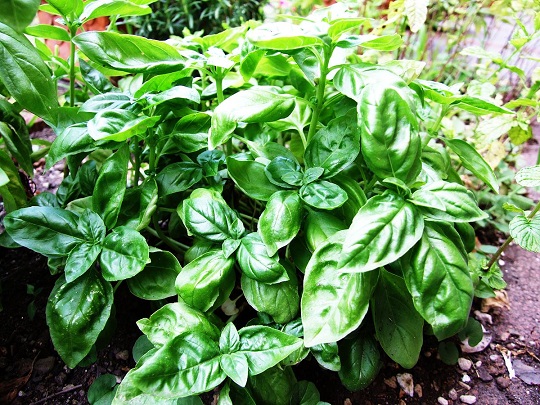
Sweet Basil (Ocimum basilicum) Basil is my favorite of all the herbs because it is so versatile and easy to grow. Those of you who follow my recipes site will know that I like to grow my own herbs and as basil is normally ready to eat just 6-weeks after planting I naturally use it often. Basil is an attractive annual, about 18 inches (450 mm) tall with light-green, fairly broad leaves. There are several species of cultivated basil, one having purple leaves, so it is also a decorative plant in your garden. Basil grows easily from seed planted after all danger of frost has passed.
Pinch stems when the plant reaches 18 inches (450 mm) tall to promote bushy, compact growth. Avoid lush growth as it may reduce the flavor. Green leaves can be picked about 6 weeks following planting. It is best to cut leaves for drying just before flowers open. However, if you can use fresh, the taste is far better and it is also an extra vegetable to compliment a healthy diet.
Spicy-scented basil leaves are one of the most popular of all herbs used in cooking. There are two particular ways I like to use basil; the first, and most common, is to mix it with pine nuts and a little garlic, a splash of balsamic vinegar and extra virgin olive oil in a blender to make Pesto. Pesto can be kept for a few days in the refrigerator. Use about 90% basil to 10% pine nuts.
The other way I like using basil is with freshly picked tomatoes, sliced, drizzled with extra virgin olive oil and sprinkled with chopped basil. This dish can be served alone as an appetizer or as part of a salad. The other great thing about basil is that you should grow one basil plant between each tomato plant in your garden. The plants compliment each other and the basil acts as a deterrent to many of the bugs that like tomato.
It never fails to amaze me the way nature has a habit of making complimentary plants that together protect each other in growth and them compliment each other on the table. Top chef's use basil with all tomato dishes, whether cooked or raw. The other thing to remember about using olive oil is that it is an omega 3 oil and very good at promoting "good" cholesterol.
How To Enjoy A Good Cup Of Gourmet Coffee
InternetBusinessIdeas-Viralmarketing Homepage
Tweet
Follow @Charlesfrize