Homes For Sale

Navigating the Market: Expert Tips for Finding and Selling Your Home
How The property market Affects You Real Estate Homes For Sale Moving House Mortgages Carpet Tips Home Security Escrow Account Renters Credit Check Reverse Mortgage Selling Your Home Choosing a Place To Live Insurance
The For-Sale-By-Owner Dilemma: Cutting Costs or Courting Chaos?
Opting to sell your home without a real estate agent is, on its face, a masterclass in financial pragmatism.
By sidestepping the traditional 5% to 6% commission, which on a $400,000 home translates to a staggering $20,000 or more, you instantly reclaim a massive chunk of your equity that would otherwise vanish into brokerage fees.
This path also hands you the unvarnished reins of control: you set the showings, craft the listing description, negotiate directly with buyers, and dictate the timeline without waiting for a third party to return calls. For the savvy homeowner who understands their local market and possesses the patience for paperwork, this autonomy can be deeply satisfying and financially rewarding.
Moreover, you are insulated from a subtle but pervasive conflict of interest that plagues the traditional model, namely, that an agent's primary incentive is a speedy closing, not necessarily a maximum price. Since their commission is a percentage of the final sale, the difference between selling at $395,000 and $410,000 is merely a few hundred dollars in their pocket, hardly enough to justify the extra weeks of open houses and counteroffers. Consequently, an agent may gently nudge you toward a "sure-thing" price that guarantees their payoff, leaving you to wonder if you left real money on the table.
However, the harsh arithmetic of commission savings must be weighed against the invisible costs of going it alone. Real estate agents earn their keep not merely by unlocking doors, but by navigating a labyrinth of disclosure laws, inspection contingencies, appraisal gaps, and financing pitfalls that can derail a novice seller. Without an agent, you become solely responsible for professional photography, strategic online advertising, legal compliance, and the emotional labor of fielding lowball offers, all of which require time, expertise, and a thick skin.
While the fear of an agent lowballing your home is valid, a skilled, ethical agent often brings a countervailing benefit: access to a vast network of pre-qualified buyers and fellow agents who may bring competitive bids that drive the price up through scarcity and hype. In truth, the buyer's agent will still expect their 2.5% to 3% commission, and if you refuse to pay it, you may inadvertently alienate half the buyer pool, ultimately netting less than if you had hired a pro to manage the theatre of negotiation. Thus, the decision is not simply "cheaper versus more expensive," but rather a sobering trade-off between immediate savings and the risk of inexperience, a gamble where your home's final selling price is the ultimate scorecard.

For Sale By Owner - FSBO
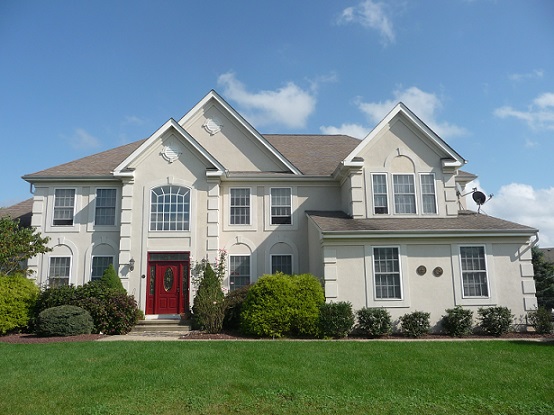
Homes for sale: Selling your home without the use of a real estate agent is obviously cheaper because there won’t be any commission to pay. This gives the homeowner more control over the sale. You have to bear in mind that real estate agents want your home to sell so that they get their commission. This could cause some of them to price the home lower than what it could sell for, just so they ensure their hard work isn’t for nothing.
The disadvantage to selling on your own is that your time will be consumed by marketing the house and showing the house to prospective buyers. Some buyers who might be interested in the house, may not want to deal with you, but would rather go through an agent instead. This could lose an owner a sale.
In order to be successful in selling a home on your own, you need to have some knowledge of the necessary contracts that need to be signed by all parties, plus all of the other paperwork like titles and deeds, etc. There are many real estate lawyers who handle just such tasks for homeowners selling their home by themselves. It’s a small investment, much less than what you’d pay for the commission of a real estate agent, and it takes the worry out of having to shoulder the legal burden on your own.
To decide which option is best for you, you’ll need to figure out how much time you have to devote to the selling process. Many marketing methods are free. There are also websites that have listings for individuals who wish to sell their own homes. Many of these sites do charge a fee, but are also in a position to give your listings a lot of exposure. If you’re not intimidated by the process, then try to sell it on your own without having to give up a percentage of the selling price to an agent.
The Effects Of The Property Market To Selling Your Home
History And Principles Of Insurance
Tips In Choosing The Perfect Home Office Furniture
Tips And Guide On What Carpets To Buy
Browse All Our Informative Topics
InternetBusinessIdeas-Viralmarketing Home Page
Tweet
Follow @Charlesfrize