Marketing
Beyond the Billboard: How Marketing and Advertising Really Differ

Unilever’s Marketing Chief Esi Eggleston Bracey to Depart in January 2026
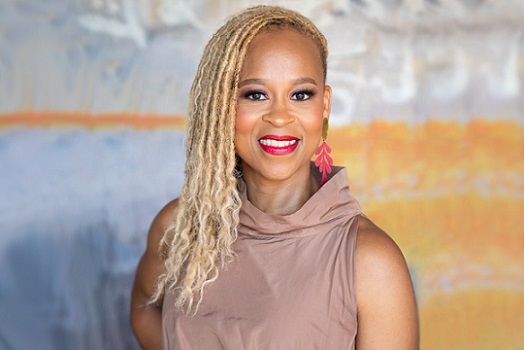
Unilever's top marketing executive, Esi Eggleston Bracey, will leave the company at the end of January 2026 after eight years.
This change is part of a significant restructuring aimed at integrating marketing strategies more closely with Unilever's business groups.
Key Details of the Leadership Transition
Bracey, who was appointed Chief Growth and Marketing Officer (CMGO) in 2023, is departing as part of a planned structural evolution. Her successor will be Leandro Barreto, currently the Chief Marketing Officer for Unilever’s Beauty & Wellbeing Business Group. Notably, Unilever has confirmed that the CMGO title will not be directly replaced.
Instead, Barreto’s role will be expanded to become Chief Marketing Officer, Unilever and Beauty & Wellbeing, giving him an enterprise-wide marketing mandate. Both executives will work together during January to ensure a smooth transition.
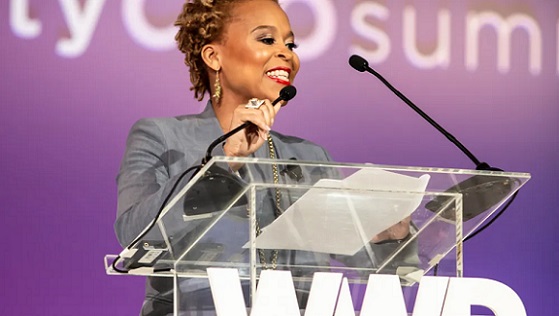
Contributions of Esi Eggleston Bracey
During her tenure, Bracey is credited with modernizing Unilever’s global marketing strategy. She spearheaded a digital-first transformation, emphasizing performance marketing and the integration of AI. Her leadership was also marked by a focus on culturally relevant, purpose-led initiatives, most notably championing Dove's support for the CROWN Act to end hair-based discrimination. Her impactful career was recognized with her induction into the 2026 Advertising Hall of Fame.
Unilever’s New Strategic Direction
This leadership shift aligns with broader changes under CEO Fernando Fernandez, who took charge in March 2025. The new strategy focuses on building a “true marketing and sales machine” by accelerating “desire at scale”. Key tactical shifts under this vision include:
Major investment in social media: A plan to move 30-50% of Unilever’s $8 billion annual ad spend into social-first campaigns.
Massive influencer scale-up: A goal to work with 20 times more influencers.
Portfolio focus: A continued strategic emphasis on beauty, wellbeing, and personal care, which are targeted to drive two-thirds of sales in the medium term.
In short, Esi Eggleston Bracey's departure marks the end of a transformative chapter in Unilever's marketing history and the beginning of a new, more integrated phase under Leandro Barreto's leadership, driven by aggressive digital and social commerce tactics.
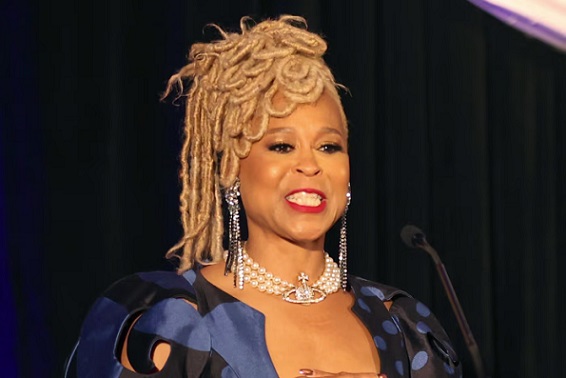
Leandro Barreto will expand his role as Chief Marketing Officer for Unilever’s Beauty & Wellbeing Business Group, effective 1 January. In addition to his current responsibilities, his remit will now include accountability for Unilever’s enterprise-wide marketing agenda.
Fernando Fernandez, CEO of Unilever, commented on the change, stating, “I would like to thank Esi for her significant contribution to Unilever and wish her every success in the next chapter of her career.” Regarding Barreto’s promotion, he added, “With strong groundwork now in place, I know Leandro will make a big impact in his expanded role as we accelerate desire at scale and turn Unilever into a true marketing and sales machine.”
Context Note: As the Consegna de Beauty & Wellbeing and Personal Care, and a key driver of Unilever's diversity and brand-purpose initiatives, her departure is a significant executive change.
Congratulations, Esi Eggleston Bracey! We wish you great success and good luck in your exciting new chapter. — The FrizeMedia Team
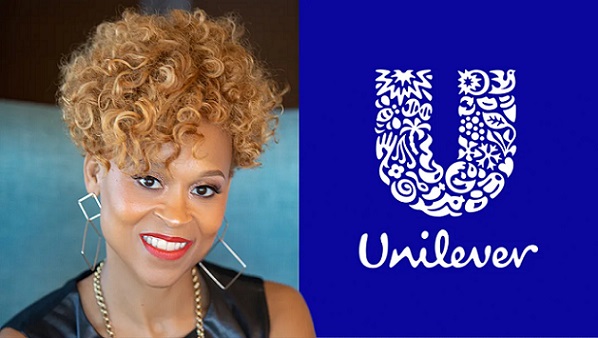
Esi Eggleston Bracey's Legacy: Building Brands That Matter
Esi Eggleston Bracey's tenure was responsible for leading the company into the next generation of marketing and maximizing Unilever opportunities for growth.
Esi brought decades of executive consumer goods and beauty expertise to the role. A creative, energetic, and dynamic leader, she has a proven track record of guiding organizations to unlock growth in rapidly evolving markets.
Since joining Unilever in 2018, Esi has held positions of increasing responsibility, most recently serving as President of Unilever USA and CEO of Personal Care in North America. Previously, she led the North America Beauty & Personal Care portfolio as Executive Vice President and Chief Operating Officer, overseeing a $5 billion business that includes iconic brands such as Dove, TRESemmé, Suave, Vaseline, Degree, Axe, and SheaMoisture.
Esi is renowned for shaping the industry with transformative growth initiatives. She was a key architect of Dove’s CROWN Coalition, dedicated to fostering beauty inclusivity and eradicating hair discrimination through legislative change. Her commitment to driving positive change through brands began earlier in her career, where she led COVERGIRL’s pioneering work to diversify the face of beauty with groundbreaking talent.
Her leadership has been widely recognized with numerous industry honors, including being named one of Forbes World’s Most Influential CMOs, a Forbes Entrepreneurial CMO 50, Women’s Wear Daily Marketer of the Year, an ADCOLOR Legend, and an Ad Age Vanguard Award recipient.
A native of Chicago, Esi holds a BA in Engineering Sciences from Dartmouth College. She is married with two children and resides in London.
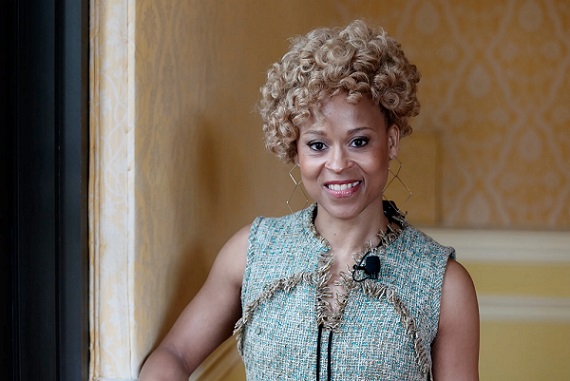
History
2024: Chief Growth and Marketing Officer at Unilever
2022: President Unilever USA and CEO, Unilever Personal Care, North America
2018: Joined Unilever as EVP and COO, Beauty & Personal Care, North America
2017: Sabbatical
2015: President, Consumer Beauty, Coty
2009: SVP & General Manager, Global Cosmetics, P&G
2006: VP & General Manager, North America, Color Cosmetics, P&G
2003: General Manager, North America, Deodorants, P&G
2000: COVERGIRL Marketing Director, North America, P&G
1999: Marketing Director, North America, Skin & Personal Care, P&G
1991 — 1998: Various marketing leadership roles in Fabric & Home Care, P&G
Strategic Marketing vs. Tactical Advertising: A Comparative Guide

Exploring the nuances among Marketing, Advertising, and Socialmedia is crucial in today's digital landscape. These three pillars of communication play distinct yet interconnected roles in promoting products and services. Marketing encompasses the overall strategy of promoting and selling goods or services, encompassing market research, branding, and customer engagement. Advertising, on the other hand, focuses on creating persuasive messages to reach target audiences through various channels such as print, television, and online platforms. Social media has emerged as a powerful tool for businesses to engage with their audience, build brand awareness, and drive sales through platforms like Facebook, Instagram, and X.

In today's fast-paced world, overlooking the importance of understanding these distinctions can hinder a company's success. For instance, a company may have a strong marketing strategy in place, but without effective advertising campaigns, it may struggle to reach its target audience. Similarly, a robust social media presence can amplify the reach of both marketing and advertising efforts, but without a clear understanding of each platform's unique strengths, businesses may fall short of their goals.

Statistics show that businesses that effectively integrate marketing, advertising, and social media strategies are more likely to see positive results. According to a recent study, companies that prioritize social media marketing are 3 times more likely to see an increase in revenue compared to those that do not. Additionally, businesses that invest in targeted advertising campaigns typically experience a higher return on investment, with every dollar spent on advertising generating an average of $2 in revenue.

To fully capitalize on the opportunities presented by FrizeMedia, it is essential to grasp the distinctions among marketing, advertising, and social media and leverage each channel's strengths to drive business growth. Don't miss out on this valuable opportunity to enhance your understanding and take your brand to the next level. Explore more about how FrizeMedia can elevate your marketing efforts here.

While often used interchangeably, marketing and advertising are distinct concepts. Advertising is one vital piece within the larger, more comprehensive framework of marketing.
Marketing encompasses the entire strategic journey of bringing a brand to market. It begins with research and strategy, includes product development, pricing, and distribution, and extends through promotion to the final sale and ongoing customer relationship management. It is the holistic plan for creating, communicating, and delivering value.
Advertising, by contrast, is a specific tactic within the promotional element of marketing. It is the paid, public announcement of a message through mediums like television, digital platforms, or print, with the goal of promoting a product or service. In essence, if marketing is the full campaign blueprint, advertising is one of the loudspeakers used to execute it.

Advertising is one of the most important component of a marketing strategy and also the most expensive. Advertising constitutes sending the message across the public about your company, product or services. It also constitutes behind the scenes work like the process involving formation of various strategies and coming up with a right one to target the viewers.
Differences Between Marketing And Advertising

A helpful way to think of it is this: Marketing is the overall strategy, while advertising is a single, paid tactic within it.
Think of marketing as baking and presenting an entire cake. This involves the recipe (product development), the ingredients (pricing), where to sell it (distribution), and how to tell people about it (promotion).
Advertising is simply one step in that process—the step where you pay to publicly promote the cake. It is the act of crafting and placing specific messages within chosen media channels, such as:
Traditional Media: Television, radio, newspapers, magazines, billboards, and direct mail.
Digital Media: Online platforms, social media, email, and mobile messaging.
While television remains a dominant channel, digital advertising has grown tremendously due to its targeting and tracking capabilities.
In essence, advertising is the "paid promotion" piece of the much larger marketing puzzle.

Marketing Strategy: Independent Work, Collective Goal Marketing is a cohesive strategy composed of distinct, specialized functions. While elements like product design, market research, media planning, PR, pricing, customer support, and sales each operate independently, they must synchronize to achieve the ultimate objectives: driving product sales and building the company's market reputation.
This process is a marathon, not a sprint. It demands sustained effort and significant research, which often forms the most time-intensive phase. Successful marketing is rooted in a deep, nuanced understanding of consumer behavior and perceptions toward a product, a foundation that requires hours, and sometimes days, of meticulous investigation to establish effectively.

Logo Power Lies in Company Reputation Designing a product and crafting an advertising strategy are inherently time-intensive processes. In reality, the only stages that require comparatively less time are the final execution of advertisements and the act of sales itself. Marketing serves as the essential bridge between a company and its consumers, encompassing everything from product development to customer feedback.
A common and costly mistake is to conflate marketing with advertising alone. Many companies look at giants like Coke or Pepsi and attempt to mimic their visible advertising, while completely overlooking the extensive strategic work that underpins it. A classic example is the obsession with a company logo. Business owners often become fixated on prominently featuring their logo in ads, believing it alone will drive sales. However, a logo only becomes powerful through the reputation of the company it represents. It must carry an authentic feeling and truly embody the company’s values, something built over time, not simply plastered onto an advertisement.
Startups Prioritize Consumer Communication, Expertise While established companies invest heavily in advertising, startups should prioritize substance over spectacle. Rather than allocating scarce resources to lavish branding, direct your time and capital toward a clear, compelling dialogue with your customers. Focus relentlessly on communicating how you will meet and exceed their specific needs.
Simultaneously, invest in educating your audience. This builds critical trust by demonstrating your expertise and command of your craft. It proves you know what you’re doing and are the best at doing it.
Only after cementing your reputation and achieving sustainable growth should you consider those larger, more expensive branding initiatives. First, master the fundamentals: deliver on your promises and prove your value through every interaction.


Smart marketers adopt an active, not passive, approach. They compel response instead of simply informing, provoking the audience to think, feel, or act, rather than just making them aware.

We Are Helping 1000 Businesses Amplify Their Online Presence
The mark of a successful marketing campaign is its ability to deliver qualified leads, specific names and contacts of people actively interested in your services. Aggressive, targeted outreach makes this possible. Ultimately, a great campaign builds your brand's reputation, and sharp advertising provides the final touchpoint that turns prospect interest into a customer commitment.

FrizeMedia Ghana SEO SEM Digital Marketing Proposal
The Best And Top Digital Marketing And SEO Services In Ghana
7 Tips To A Successful Small Business
7 Key Principles Of Relationship Marketing To Attract Clients
Advertising Techniques For Your Small Business
Definition Of Affiliate Marketing
Common Mistakes Businesses Make And How To Avoid Them
Browse All Our Inspiring Topics
InternetBusinessIdeas-Viralmarketing Home Page
Tweet
Follow @Charlesfrize