Ghana Gold Board’s 2030 Vision: Turning Raw Gold Exports Into Refined Value
Why Ghana Is Moving From Raw Gold Exports to Refined Value

The GoldBod Effect: Why Seven African Countries Are Studying Ghana’s Push to Formalize Gold
GoldBod Delivers $1.87bn from ASM Gold, Beats September Forex Target
Ghana News Updates Mining Energy Business Advice Commodities
From Raw Exports to Refined Future: Ghana Gold Board's Ambitious 2030 Strategy

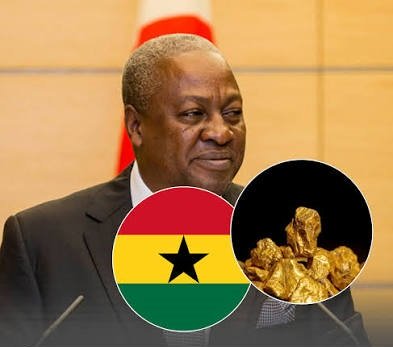
The Ghana Gold Board (GoldBod) has officially set its sights on eliminating all raw and unrefined mineral exports by 2030, marking a decisive shift in the nation's mining strategy toward domestic value addition. Under the visionary leadership of President John Mahama, this initiative seeks to transform Ghana's longstanding practice of exporting 100% raw minerals, a situation that persisted through the end of 2024, into a fully refined and value-added export economy. The ambitious target represents a fundamental restructuring of how the country monetizes its gold resources, prioritizing local processing, job creation, and capital retention over the traditional model of shipping unprocessed ore abroad.
Central to this strategy is GoldBod's partnership with two privately owned local refineries: Gold Coast Refinery and Royal Ghana Gold Refinery. These facilities have been contracted to refine gold doré, semi-processed gold, into high-purity bullion before export, ensuring that Ghana captures more value from its mineral wealth. The progress has been notable, with GoldBod CEO Sammy Gyamfi announcing at the African Minerals Policy Forum – Mining in Motion 2026 that local facilities refined 5.4 out of 5.7 tonnes of exported gold in October 2026, achieving a local refining rate of 95% for that month.
Cumulatively, the two refineries have handled 25 tonnes of artisanal and small-scale mining (ASM) gold in 2026, representing approximately 30% of the 85.4 tonnes exported as of October 20. Since August 1, 2026 alone, 18.7 tonnes of ASM gold have been refined locally, demonstrating accelerating momentum in the localization drive.
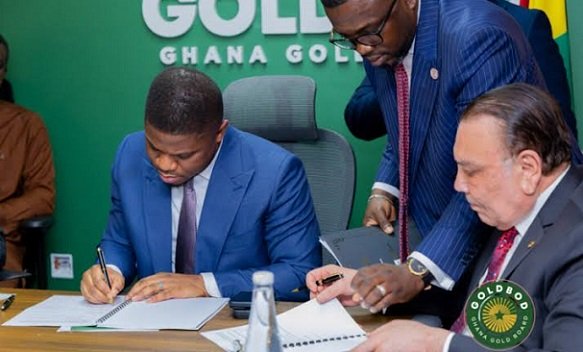
The policy framework underpinning this transformation includes mandatory refining directives that prohibit any unrefined gold doré from being approved for export without first undergoing local processing and meeting regulatory standards. Beyond processing requirements, the partnership structure grants the state a 15% free carried interest in facilities like Gold Coast Refinery, ensuring that refining fees, job creation, and capital remain within Ghana's borders.
GoldBod is also facilitating plans for an ISO-certified, London Bullion Market Association (LBMA)-compliant assay laboratory, with the two refineries working toward LBMA accreditation within three to five years under GoldBod's regulatory guidance. These infrastructure developments position Ghana to meet international standards for gold trading while maintaining sovereign control over its mineral resources.
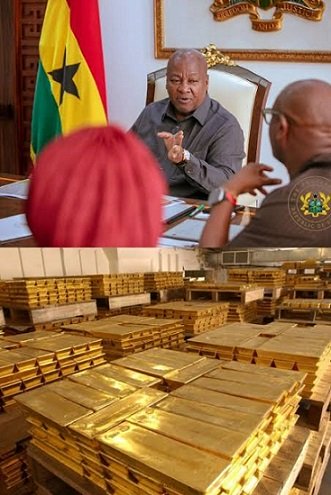
The economic impact of this reform extends well beyond export statistics, with 4,866 direct jobs already generated across public and private sectors within the gold trading and refining value chain. By keeping refining activities domestic, Ghana retains substantial value that was previously lost to foreign processors, while simultaneously building technical expertise and industrial capacity.
The transition from raw exports to refined bullion represents not merely a policy adjustment but a comprehensive reimagining of Ghana's relationship with its mineral wealth, one that promises sustainable economic benefits, enhanced international competitiveness, and a legacy of industrial development for future generations.
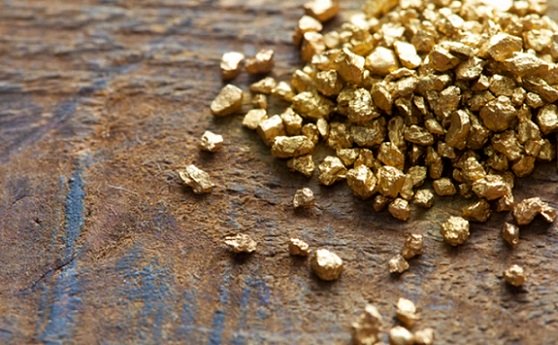
Key Characteristics
Definition: Derived from the French doré, meaning “gilded” or “golden,” the term refers to the bar’s metallic appearance rather than to any standardized level of purity.
Composition: Doré bars usually contain 50–90% gold and silver combined (often about 70–90%), with the remainder consisting of base metals such as copper, iron, lead, or nickel.
Purpose: After ore is mined and crushed, mines partially refine and melt the metal into a compact, heavy block (typically weighing 1–25 kg). This form is safer, more compact, and much cheaper to transport than raw ore or loose flakes.
Not for Retail Investment: Doré bars are unstandardized and are not intended for individual retail investors. Unlike finished gold bullion bars, which are refined to at least 99.5% purity, doré bars must be sold to specialized mints or refiners so the metals can be separated and purified.
Refining Process: Once the doré bar arrives at a refinery, typically one operating under LBMA-certified standards, it is sampled, melted, and subjected to chemical or electrolytic separation (known as “parting”) to recover pure gold and silver.
Tweet