How to Treat Acne: Evidence-Based Options for Clearer Skin
Root Causes of Acne: Hormones, Genetics & More

Organic Skincare Men Skin Care Nutrition Information Skin Cancer Best Skin Care Products Health Diseases Bath and Body Beverages Heart Disease Vitamins Skin Care Browse Our Topics
Beyond the Teenage Years: A Comprehensive Guide to Understanding and Managing Adult Acne
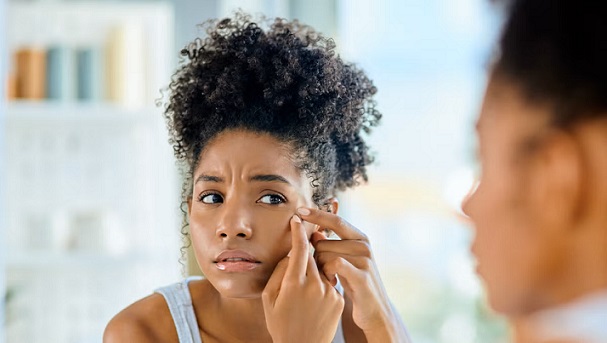
You breezed through your teenage years with barely a blemish, so the sudden appearance of persistent breakouts in your 30s or 40s can feel both bewildering and deeply frustrating.
You look in the mirror and wonder, "Isn't this supposed to be over by now?" This late-onset skin rebellion is surprisingly common, and you are far from alone.
The embarrassment and confusion you feel are shared by millions of adults who find themselves navigating the complex world of post-adolescent acne.
While teenage acne is predominantly driven by the hormonal surges of puberty, adult acne is a more multifactorial and nuanced condition. The good news is that a clear understanding of its unique characteristics, causes, and treatment options can empower you to manage it effectively and protect your skin's health for years to come.
How Common Is Adult Acne?
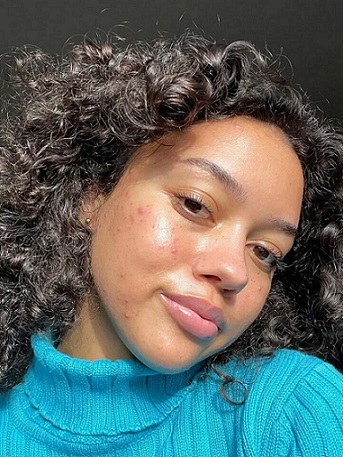
The idea that acne is exclusively a teenage problem is one of the most persistent myths in dermatology. While it is true that acne peaks during adolescence, affecting around 85% of people between the ages of 12 and 24, it frequently persists or even appears for the first time in adulthood. The prevalence statistics vary depending on the study population and age range, but the overall picture is clear: adult acne is a significant issue.
Some older estimates suggest that as many as 25% of men and up to 50% of women experience acne flares in their post-adolescent years. More granular data reveals a strong age and gender pattern. For women, the numbers are particularly telling: clinical trial data indicates that approximately 50% of women in their 20s, 33% in their 30s, and 25% in their 40s suffer from acne. Even in the 40s, over 25% of women and 12% of men report having acne. By age 50 and older, prevalence drops further, but a notable percentage of adults still contend with the condition. These figures underscore that adult acne is not an anomaly but a common dermatological reality.
Why Does Adult Acne Happen? The Multifactorial Causes
Unlike the relatively straightforward hormonal mechanism of puberty, the causes of adult acne are diverse and often interconnected. The fundamental process remains similar: hair follicles become clogged with excess oil (sebum), dead skin cells, and bacteria, leading to inflammation. However, the triggers that set this process in motion in adulthood are different.
- Hormonal Fluctuations: Hormones continue to play a central role, particularly in women. Fluctuations related to the menstrual cycle, pregnancy, perimenopause, and menopause can all influence oil production and lead to breakouts. Conditions like polycystic ovary syndrome (PCOS) can also be an underlying driver.
- Cosmetic and Hair Products: Comedogenic (pore-clogging) ingredients in makeup, moisturizers, sunscreens, and hair products are a frequent culprit. Products that are heavy, oil-based, or contain certain waxes and silicones can trap debris in pores.
- Medications: Certain prescription drugs are known to trigger or exacerbate acne. These include corticosteroids, anabolic steroids, lithium, and some formulations of estrogen or testosterone.
- Stress: Chronic, psycho-emotional stress is increasingly recognized as a significant factor. Stress elevates cortisol levels, which can stimulate oil glands and promote inflammation.
- Diet: While the link is not as direct as once thought, emerging evidence suggests that a diet high in refined sugars and high-glycemic-index foods may contribute to acne by influencing inflammation and hormone levels. Some studies also point to a potential link with dairy consumption.
- Genetics: A family history of adult acne significantly increases your risk, suggesting a genetic predisposition to the condition.
Adult Acne vs. Teenage Acne: Key Differences
The experience of adult acne is distinct from that of adolescence, not just in its causes but also in its clinical presentation. Understanding these differences is crucial for effective treatment.
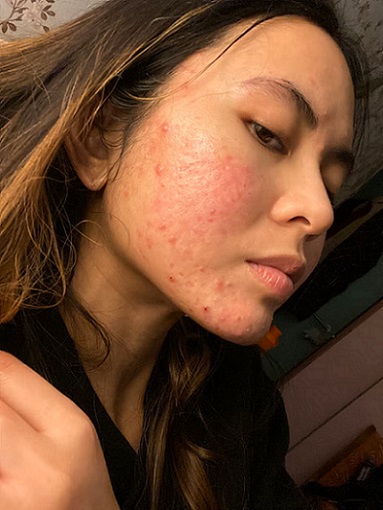
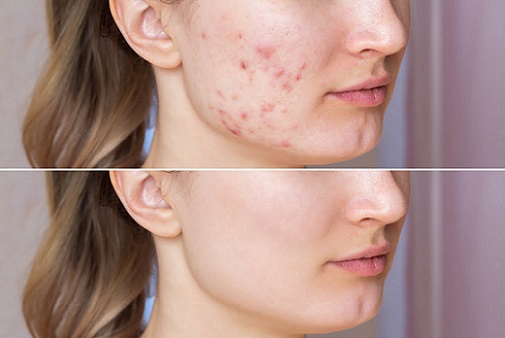
- Location: Teenage acne classically appears in the "T-zone", the forehead, nose, and upper cheeks. Adult acne, especially in women, predominantly affects the "U-zone", the lower cheeks, jawline, chin, and neck.
- Lesion Type: While teenagers can experience all types of acne, adult acne often presents with deep-seated, inflammatory papules and nodules. Comedones (blackheads and whiteheads) can be present, but they are often "closed" comedones, which are less visible but more persistent.
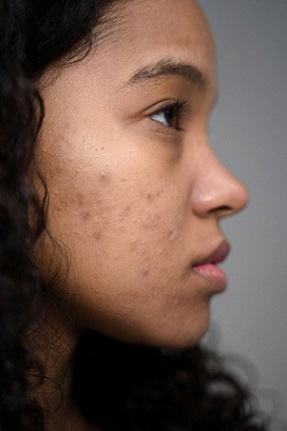
- Skin Sensitivity: Adult skin is often less oily overall than teenage skin but may be more sensitive and prone to irritation from harsh acne treatments. It is also more susceptible to post-inflammatory hyperpigmentation (dark spots left after a pimple heals).
A Step-by-Step Guide to Treating and Managing Adult Acne
The most effective approach to managing adult acne is a tailored strategy based on the severity of your breakouts. A board-certified dermatologist can help you build a plan, but here is a guide to the available options.
Step 1: Establish a Gentle, Consistent Skincare Routine
The foundation of any acne management plan is a non-irritating daily routine. The goal is to keep pores clear without damaging the skin's protective barrier.
- Cleanse: Wash your face twice daily with a mild, non-comedogenic cleanser. Avoid harsh scrubs and astringents that can strip and irritate the skin. A cleanser containing salicylic acid can help unclog pores.
- Moisturize: Even oily, acne-prone skin needs hydration. Use a lightweight, oil-free, and non-comedogenic moisturizer to maintain the skin barrier.
- Protect: Apply a broad-spectrum sunscreen with an SPF of 30 or higher every day. This is critical, as many acne treatments increase sun sensitivity, and sun exposure can worsen post-inflammatory hyperpigmentation.
Step 2: Utilize Over-the-Counter (OTC) Treatments for Mild Acne
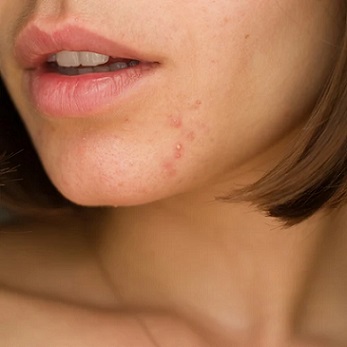
For mild breakouts, OTC products can be very effective. Look for products containing one of these proven ingredients:
- Benzoyl Peroxide (BPO): Kills acne-causing bacteria and helps reduce inflammation.
- Salicylic Acid: Helps exfoliate dead skin cells and unclog pores.
- Adapalene (a topical retinoid): Helps normalize skin cell turnover and prevent new clogs from forming. It is available in low concentrations without a prescription.
Step 3: Seek Prescription Treatments for Moderate to Severe Acne
If OTC options are insufficient, a dermatologist can prescribe more powerful treatments.
- Topical Combination Therapy: This is the first-line treatment for mild-to-moderate acne. A common approach is a combination of a topical retinoid with benzoyl peroxide or a topical antibiotic. Retinoids are a cornerstone of acne therapy as they help unclog pores and improve the appearance of fine lines.
- Oral Antibiotics: For moderate-to-severe inflammatory acne, a short course (typically no more than 3 months) of oral antibiotics like doxycycline may be prescribed. They are almost always used in combination with a topical therapy (like BPO) to reduce the risk of antibiotic resistance.
- Hormonal Therapy: For women, certain oral contraceptives or medications like spironolactone can be highly effective by targeting the hormonal drivers of acne.
- Oral Isotretinoin: This is a powerful oral retinoid reserved for severe, scarring, or treatment-resistant acne. It is highly effective but requires careful monitoring due to potential side effects.
Step 4: Consider Procedures for Scarring and Pigmentation
For some, the lingering effects of acne can be as troublesome as the active breakouts. Procedures like chemical peels and microdermabrasion can help improve skin texture and diminish the appearance of scarring and post-inflammatory hyperpigmentation.
Essential Tips for Daily Life with Adult Acne
Beyond products and prescriptions, a few daily habits can make a significant difference.
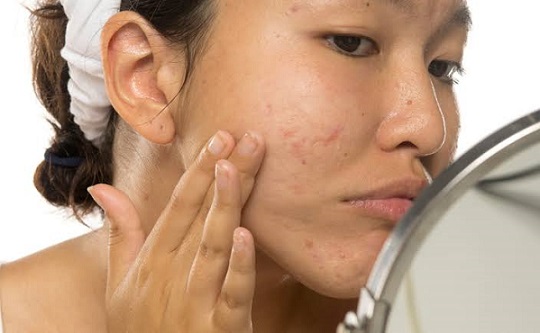
- Be Gentle with Your Skin: Never pick, pop, or squeeze pimples, as this can lead to infection, scarring, and worsened hyperpigmentation.
- Check Your Labels: Look for products labeled "non-comedogenic," "oil-free," and "fragrance-free." This applies to makeup, skincare, and hair products.
- Avoid Friction: Keep hair off your face and avoid tight headbands, hats, and helmet straps that can rub and irritate the skin.
- Manage Stress: Incorporate stress-reducing practices into your routine, such as regular exercise, adequate sleep, and meditation.
- Be Patient and Consistent: Acne treatments take time to work, often 6 to 12 weeks. Consistency is key to seeing results.
The Takeaway
Adult acne is a common and complex condition, not a personal failing or a sign that you are "dirty." It is driven by a unique set of factors, from hormones and stress to genetics and skincare habits. By recognizing the distinct nature of adult acne and adopting a comprehensive approach that includes gentle skincare, evidence-based treatments, and healthy lifestyle habits, you can take control of your skin health. If over-the-counter options are not enough, a dermatologist is your best ally in developing a personalized and effective treatment plan.

Acne Without the Overwhelm: A Simple Guide
What is acne? The majority of us are quite familiar what it is, for the obvious reason, we have all had to experience it, at one time or another in our lives. For a definition of acne, here is a short one. Acne is a dermatological expression that includes blocked pores, pimples, lumps or cysts that appears on the chest, neck, face, back, upper arms and shoulders. Acne turns to inflict mostly teenagers,but is not partial to any particular age group, even adults in their forties are not exempted.
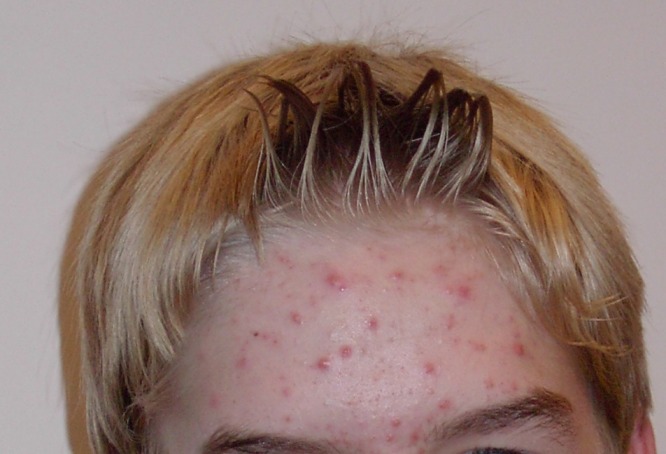
Acne On Teenage Forehead
There are multiple varieties of acne, but the good news is none are life threatening. Acne can be disfiguring in more severe cases, leaving lasting scars on the effected areas. There are significant alterations in body tissue - or lesions - which acne causes. Five ways that best describes the acne are: comedos, papule, pustule, nodule and cyst.
Acne is generally widespread amongst teenagers, affecting teens between the ages 12 and 17. In most instances, these mild cases are treated with over-the-counter medications, and the acne usually perishes by the early twenties. Certainly, it ought to be noted that,despite the fact acne affects both girls and boys equally, there are some distinctions. Adolescent men are more likely to bear acute,long-term acne, while women can have repeat or sporadic acne well into parenthood due to hormonal changes and cosmetics.
We have very briefly summarized what acne is. Now we can discuss a guide to acne:what types are there, how to apply treatment, and widespread myths about it. The reader hopefully will come away, gaining a much clearer understanding of acne in its various forms, and how it can be combated against and to reduce its impact upon the lives of those suffering from it. This is by no means a complete guide on the topic nor is it a clinical journal, but is at the very least, an introduction and a source upon which to do further study into the causes and cures of acne in all its forms.
Browse All Our Informative Topics
InternetBusinessIdeas-Viralmarketing Home Page
Tweet
Follow @Charlesfrize