What Is Pay Per Click
Advertising Online
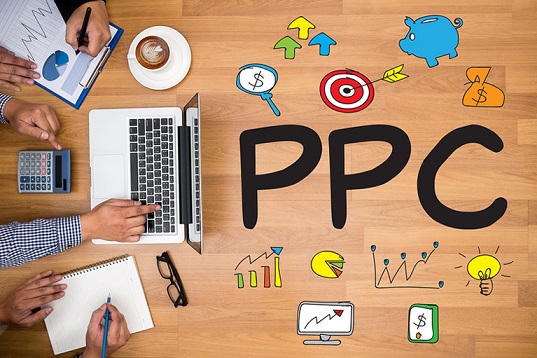
Pay-per-click (PPC) advertising is a targeted form of online marketing in which advertisers pay a fee each time a user clicks on one of their digital ads. This model primarily drives qualified traffic to a business from search engine results pages or through affiliate networks, ensuring that visitors are actively seeking related products or services. Originating from the core principles of affiliate marketing, PPC has evolved into a multi-billion dollar industry, becoming a fundamental component of modern digital strategy. It is widely regarded as one of the most effective and efficient methods for promoting sales websites, as it allows for immediate visibility and direct access to a ready-to-convert audience.
The distinct advantages of pay-per-click advertising set it apart from other internet marketing strategies. Unlike organic methods, PPC offers unparalleled control over budget, audience targeting, and campaign timing, enabling businesses to precisely reach users based on specific keywords, demographics, and even online behaviors. This results in a highly measurable return on investment, as every click and conversion can be tracked and optimized in real time. Furthermore, the flexibility and scalability of PPC allow for rapid adjustments and testing, providing opportunities for growth and refinement that are often not possible through more static or long-term marketing approaches.
Chiefly, traffic that you receive from pay per click advertising is targeted. It simply means that each person who visits your site through pay per click advertising, is interested in your services and products. There are no guarantees with other types of internet marketing strategies, regarding the type of traffic you generate to your website. Furthermore, pay per click marketing is inexpensive. On the whole, monthly spending limits on your account can be set. It is easy to notice that you spend less money on advertising as a whole,since you only pay for clicks to your site.
Basically, with pay per click advertising,you are not spending money on ads that may or may not generate traffic to your website. Pay per click advertising is precisely that. What you do is place ads on the internet through a service or affiliates. You only pay for the ads when internet surfers click on them, guiding them to your sales website. There are a number of pay per clicks sponsored results on search engines and directory websites. A number of pay per click advertising, places ads on popular, general, or related web sites, that are often visited by internet surfers who may be interested in your products or services. The final type of pay per click advertising is when you recruit affiliates or associates, to place ads on their websites, and pay them when you receive visitors from their site.
Pay-per-click (PPC) advertising is a digital marketing model where advertisers pay a fee each time a user clicks on their online ad. While the core principle is consistent, its implementation varies based on the platform and campaign type.
The foundation of any PPC campaign is keyword selection. Before launching a campaign, advertisers must identify the specific keywords or phrases that potential customers would use to find their products, services, or content. This critical step is not performed in isolation; it should be deeply informed by your existing website architecture and search engine optimization (SEO) strategy. The keyword research conducted for SEO provides the essential groundwork for building an effective and efficient PPC campaign, ensuring alignment between your organic and paid search efforts.
In summary, Pay-per-click (PPC) advertising functions on a simple premise: advertisers pay only when users click their ads. While execution varies by platform, all PPC campaigns are built on a foundation of carefully chosen keywords. This keyword strategy should not start from scratch; it must be rooted in the foundational SEO and keyword research performed during website development, ensuring a cohesive search marketing strategy.
Strategic Framework for PPC Keyword Planning
I would emphasize the importance of a strategic, comprehensive keyword list for PPC. A well-built list is the foundation of cost efficiency and campaign success. Here is a refined and actionable guide to developing that list, structured for clarity and effectiveness.
A Strategic Framework for Building Your PPC Keyword List
This process moves from broad brainstorming to precise, budget-conscious selection.
Phase 1: Foundational Brainstorming
Start by capturing every possible relevant term. Think like your customer, not your marketing department.
Core Topics & Pain Points: List the primary problems your product/service solves.
Brand & Product Terms: Your company name, product names, competitor names.
Customer Language: How do they describe their need? (e.g., "fix leaky faucet" vs. "plumbing repair").
Use-Case Scenarios: "For [weddings]," "for small business," "while traveling."
Legacy/Traditional Terms: Older or alternative names for what you offer.
Phase 2: Expand & Categorize Using Core Tactics
Use these methods to systematically grow your list.
1. Seed Keyword Expansion: Input 5-10 core terms into keyword research tools (Google Keyword Planner, SEMrush, Ahrefs, Moz).
2. Competitor Analysis: Use tools to see which keywords your competitors are bidding on. Identify gaps and opportunities.
3. Harvest Search Engine Suggestions:
Autocomplete: Type your seed terms into Google/Bing and note the dropdown suggestions.
"People also ask" & "Related searches": Mine these sections at the bottom of the SERP for long-tail variations.
4. Website & Analytics Review: Check your own site's Google Search Console for queries that already bring organic traffic.
Phase 3: Analyze & Prioritize with Critical Metrics
For each keyword, evaluate these three pillars to gauge cost and value:
Search Volume: High volume often means higher competition and cost.
Cost-Per-Click (CPC) Estimate: The direct cost indicator from your keyword tool.
Commercial Intent: This is the most crucial filter. Categorize intent:
Navigational: Looking for a specific brand (e.g., "Amazon login"). Low PPC value unless you're that brand.
Informational: Seeking knowledge (e.g., "what is SEO"). Early funnel, often lower CPC, but lower conversion rate.
Commercial: Researching to buy (e.g., "best running shoes 2024," "compare CRM software"). High intent, competitive.
Transactional: Ready to purchase (e.g., "buy Nike Air Max," "cheap hotel booking"). Highest intent, often highest CPC.
Phase 4: Structure for Cost Control & Relevance
This is where you manage the cost spectrum you identified.
1. Create a Keyword Map: Group keywords into tightly themed ad groups (e.g., "Women's Running Shoes," "Men's Trail Running Shoes"). This boosts Quality Score, lowering actual CPC.
2. Utilize Match Types Strategically:
Broad Match: Reaches widest audience but can be costly/wasteful. Use cautiously with negative keywords.
Phrase Match (" "): Balances reach and control. Good for core themes.
Exact Match ([ ]): Triggers ads for that precise term or close variants. Highest intent, easiest to budget for.
3. Develop a Robust Negative Keyword List: Proactively exclude irrelevant searches to save budget (e.g., for "premium software," add "free" as a negative).
Phase 5: The Cost-Smart Keyword Portfolio
Balance your list like an investment portfolio:
High-Cost, High-Intent "Head Terms": Short, transactional keywords (e.g., "[buy iPhone]"). Bid strategically; use exact match and tightly targeted ads.
Mid-Funnel "Consideration Terms": Commercial and problem-solving phrases (e.g., "cloud storage for photographers"). Often the best balance of volume and cost.
Lower-Cost, Long-Tail "Niche Terms": Very specific, lower-volume queries (e.g., "organic cotton yoga pants size 14"). Lower CPC, high conversion potential, less competition.
Final Crucial Step: Iterate.
Your initial list is a hypothesis. Launch, review Search Terms Reports weekly to see what actual queries triggered your ads. Add converting terms as new keywords, and add irrelevant triggers to your negative list. This continuous refinement is what ultimately controls cost and maximizes ROI.
By following this framework, you move from a simple list of words to a strategic, data-driven asset that directly controls your ad spend and connects you with the right customers.
Pay-Per-Click Keyword Bidding Explained
In pay-per-click (PPC) advertising, marketers compete in auctions by bidding on specific keywords. The highest bid typically earns the most prominent ad placement (like the top of the search results), while lower bids receive less visible positions. However, each PPC platform (e.g., Google Ads, Microsoft Advertising) operates with its own unique auction dynamics and pricing models. Therefore, the cost for the same keyword can vary significantly from one platform to another. Once you set your bid and craft your ad, it can go live and begin appearing to users almost immediately.
Pay-per-click (PPC) advertising is a digital marketing model where you pay only when users click on your ad. These ads appear in prominent placements, such as search engine results pages, online directories, or relevant websites.
Here’s how it works:
1. You create an ad and bid on specific keywords or audience criteria.
2. Your ad is displayed to users actively searching for your products or services.
3. You pay your bid amount each time a user clicks on your ad, driving targeted traffic to your website.
A key feature of most PPC platforms is the ability to set daily or campaign budgets. This control mechanism protects your marketing spend by ensuring you never exceed your predetermined limit. If your ad or keyword performs exceptionally well and hits its spending cap, the platform will automatically pause your ads. They will resume only when you either add funds to your account or increase your budget limit.
This model ensures efficient budget control, allowing you to pay for measurable engagement while safeguarding against unexpected overspend.

To help businesses enhance their strategies further, here are some advanced approaches:
1. Embrace automation — strategically
- Use Smart Bidding (Google) or Advantage+ campaigns (Meta) with clear conversion goals and quality data feeds.
- Combine automation with seasonal adjustments, exclusion lists, and campaign experiments to keep control.
2. Go beyond last-click attribution
- Implement data-driven attribution (in Google Ads) or multi-touch models to understand the full funnel.
- Use this insight to allocate budget more effectively across campaigns based on true influence, not just final clicks.
3. Leverage audience layering & intent signals
- Combine first-party data audiences (email lists, site visitors) with in-market or custom intent audiences.
- Use Customer Match and similar audiences for lookalike expansion.
- Explore Search Audiences to adjust bids based on user behavior beyond the search query.
4. Integrate PPC with other channels
- Sync PPC keywords and messaging with SEO content for query dominance.
- Use PPC data to inform social media creative and vice versa.
- Retarget YouTube or Display viewers with Search or Shopping campaigns (cross-channel retargeting).
5. Optimize post-click experience
- Use dynamic keyword insertion in ads, then reflect that keyword intent on the landing page.
- Implement landing page A/B testing consistently , small changes in CRO can double campaign ROI.
- Speed matters: ensure page load times are under 3 seconds, especially on mobile.
6. Expand into adjacent platforms & formats
- Test Performance Max (Google) or Advantage+ shopping (Meta) for cross-network reach, but keep audience exclusions in place.
- Consider YouTube Shorts, TikTok Ads, or connected TV for visual, high-intent audiences if they fit your demographic.
7. Adopt incrementality testing
- Run geo-based experiments or ghost ads studies to measure true incremental value of PPC, especially for branded terms.
- This helps justify budget and avoid cannibalizing organic traffic.
8. Refine keyword strategy with segmentation
- Break out top-of-funnel (informational) vs. bottom-of-funnel (transactional) keywords into separate campaigns with tailored bids and landing pages.
- Use broad match + smart bidding but with a robust negative keyword strategy and continuous search term analysis.
9. Focus on lifetime value (LTV)
- If possible, track post-purchase metrics (repeat purchases, average order value) back to PPC campaigns.
- Adjust bids based on customer LTV rather than just first-sale ROAS.
10. Continuous competitive analysis
- Use tools like SEMrush, SpyFu, or iSpionage to monitor competitor ad copy, keyword moves, and landing page changes.
- Test ad variations that highlight your unique differentiators against theirs.
Essential Marketing Strategies
7 Key Principles Of Relationship Marketing
Effective Advertising Techniques
Affiliate Marketing Tips And Strategies
InternetBusinessIdeas-Viralmarketing Home Page
Tweet
Follow @Charlesfrize