Malawi Delegation Studies Ghana’s Gold-Sector Reforms at GoldBod
UNDP-Supported Visit Includes Malawi’s Banking & Mining Representatives

Ghana GoldBod Ghana Top Stories Mining Energy Rare Earths Commodities Energy and Utilities Public Relations
Malawi Delegation Visits GoldBod to Study Ghana’s Gold-Sector Reforms
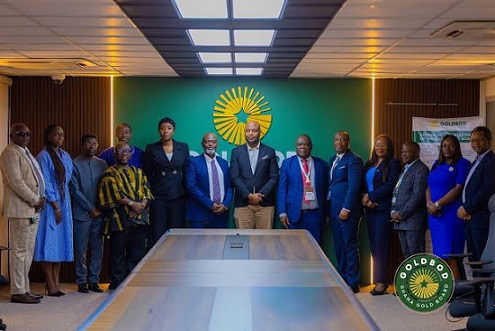
A delegation from Malawi, led by Minister for Mines Honourable Thokozani Tembo, has met with the Ghana Gold Board (GoldBod) to learn from Ghana’s reforms in the gold sector, especially in licensing, pricing, formalisation and efforts to combat smuggling.
The engagement gave the delegation an opportunity to examine GoldBod’s regulatory framework and to understand how Ghana is organising its gold-trading industry to maximise foreign-exchange earnings and retain greater value from its mineral resources.
Honourable Tembo said Malawi was seeking practical lessons from Ghana’s experience so it could avoid the challenges that come with developing a gold industry without effective purchasing and regulatory systems.
The delegation expressed particular interest in addressing price disparities between official purchasing channels and informal buyers, which contribute to gold smuggling.
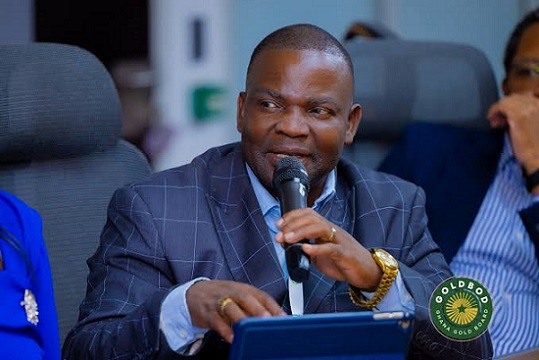
GoldBod’s Director of Responsible Mining and Sustainability, Professor Ishmael Quaicoe, explained that establishing the Board under the Ghana Gold Board Act, 2025 (Act 1140) consolidated key gold-trading functions previously spread across several institutions.
He said the arrangement had created a more coordinated system, with GoldBod responsible for the gold-trading value chain, including purchasing, assaying, refining and exporting, while the Minerals Commission retains responsibility for regulating mining operations.
Professor Quaicoe outlined GoldBod’s four-tier licensing system, which covers grassroots buying agents, regional buyers, aggregators and self-financed aggregators.
He said the framework was designed to bring market participants into a structured regulatory system while strengthening oversight of gold transactions.
He also highlighted the Board’s standardized pricing framework, which is based on London Bullion Market Association (LBMA) benchmarks and Ghana’s interbank exchange rate, to improve transparency and consistency in domestic gold trading.
On enforcement, Professor Quaicoe said GoldBod monitors licensed operators by inspecting transaction records, receipts, declared gold volumes, and purchasing prices. Any discrepancies can trigger investigations into the possible diversion of gold from official channels.
Highlighting the economic impact of the reforms, he noted that approximately 104 tonnes of artisanal and small-scale gold were mobilised in 2025, generating about US$10.8 billion in gross export proceeds. These figures underscore the sector’s contribution to Ghana’s export performance and the importance of formalising gold trading. The discussions also considered the role of commercial banks in financing gold purchases and supporting regulated trading arrangements.
The Malawian delegation also had the opportunity to ask questions and engage further, and the relevant directors provided answers and clarifications. The engagement highlighted the value of African cooperation and knowledge-sharing as Malawi explores regulatory and institutional approaches suited to its own gold industry. For GoldBod, the visit provided an opportunity to share Ghana’s experience in strengthening oversight, formalising gold trading, and improving the economic benefits derived from mineral resources.
Focus of the Visit
• Licensing and Pricing: The Malawian delegation examined GoldBod's licensing frameworks for small-scale miners and standardized pricing systems designed to reduce informal trade.
• Curbing Smuggling: Discussions focused on building regulatory and purchasing mechanisms to eliminate price gaps between official channels and black-market buyers.
• Value Addition: The delegation learned how Ghana organizes its gold-trading ecosystem to retain mineral value, boost foreign-exchange earnings, and support currency stability.
Key Data and Delegation Details
• Performance & Scope: GoldBod highlighted its strong output metrics in artisanal and small-scale gold mobilization and export proceeds, while maintaining its core mandate over precious mineral trading, assaying, and certification.
• Delegation Composition: The visiting group comprised key technical and policy officials spanning Malawi's Ministry of Mining, regulatory bodies, finance ministries, and institutional support programs.
Tweet