Dangote’s East African Gambit: Buying Into Kenya’s Pipeline for $327 Million
From Refining to Distribution: How the KPC Stake Fits Dangote’s Continental Strategy

Rwanda Studies Ghana’s GoldBod Reforms as Gold Export Earnings Reach US$11.6 Billion
Commodities Energy and Utilities Ghana Goldbod Business Advice Management Renewable Alternative Energy Business Marketing African Business News Branding Entrepreneurship Leadership Corporate Identity Management Browse Our Topics
Dangote Acquires 25% Stake in Kenya Pipeline Company in $327 Million Deal
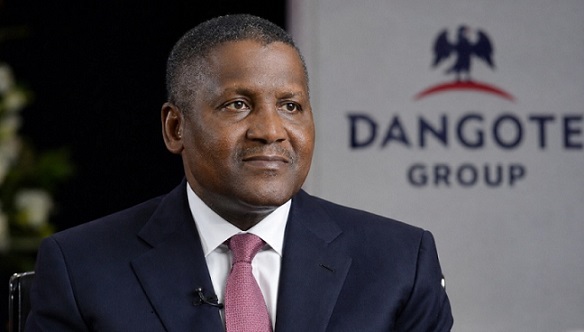
Nigerian billionaire Aliko Dangote has acquired a 25% stake in Kenya Pipeline Company (KPC), the state-controlled operator of a petroleum transportation network serving Kenya and neighbouring countries, in a transaction valued at approximately 42.5 billion Kenyan shillings ($327 million).
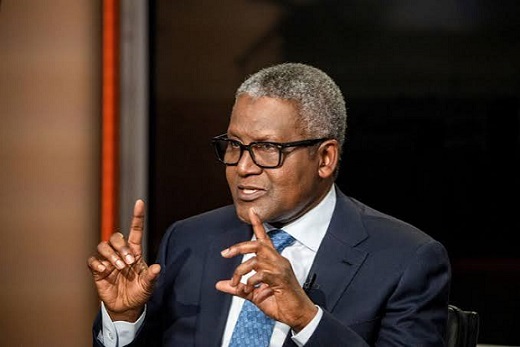
Dangote announced the acquisition on Wednesday at the Financial Times Africa Summit in London, saying his group had purchased a quarter of the pipeline network used to distribute petroleum products. He did not identify which company within his business group executed the transaction.
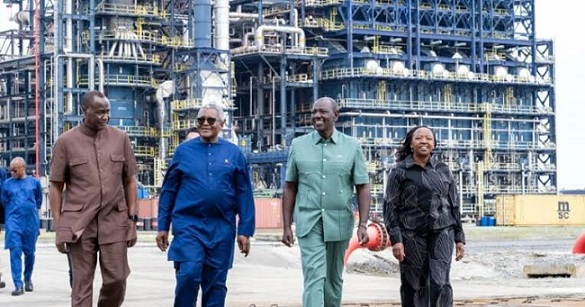
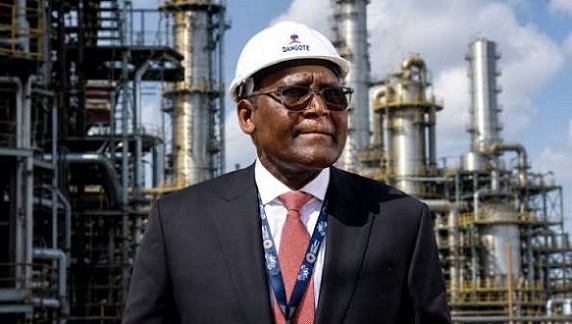
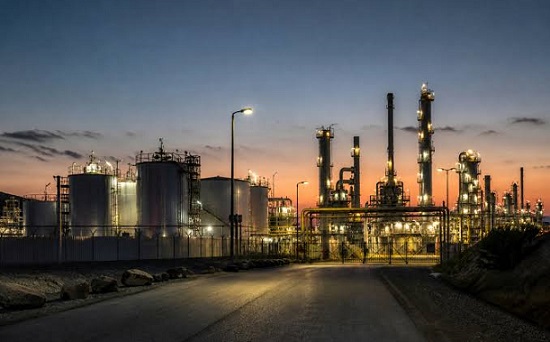
The investment gives Dangote a direct interest in infrastructure that transports fuel from the port of Mombasa across Kenya and into neighbouring markets, complementing his planned expansion into oil refining in East Africa.
The transaction corresponds to a block of 4.5 billion KPC shares traded on the Nairobi Securities Exchange on Monday. The shares represent approximately 24.76% of the company’s 18.17 billion outstanding shares, just below the 25% threshold at which Kenyan rules require a buyer to make a takeover offer to all shareholders.
The block traded at between 9.02 shillings and 9.36 shillings per share, slightly above the 9-shilling price at which KPC listed in March.
KCB Capital, the investment banking arm of Kenya’s largest lender, handled the purchase for its client, while Rock Investment Bank represented the sellers. The shares were held by state institutions that had invested in KPC during its initial public offering, including the National Social Security Fund and the Unclaimed Financial Assets Authority.
Contested Sale Follows Kenya Pipeline IPO
The acquisition follows Kenya’s sale of a 65% stake in KPC through an initial public offering that ran from January 19 to February 19, with trading commencing on March 9. The transaction marked the country’s first major share sale in two decades as the government sought to raise revenue amid limited fiscal room.
Private investor participation in the offering was limited. Thirteen state-backed pension schemes and agencies ultimately acquired 38.35% of KPC for 64.23 billion shillings, including a 38.5 billion-shilling investment by the National Social Security Fund. Uganda National Oil Company acquired a 20.15% stake.
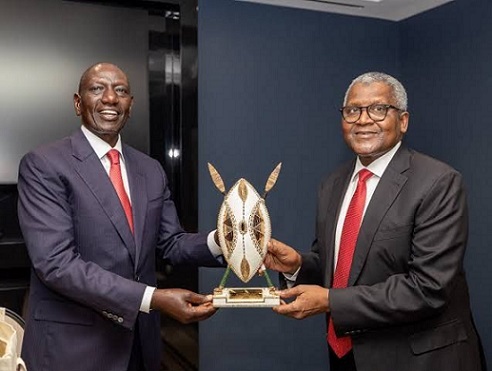
Kenyan President William Ruto welcomed the latest transaction, describing the sale of a 25% holding by public entities to private investors as a sign of growing confidence in the country’s capital markets. He had referred to the sale in a speech on Tuesday without identifying the buyers.
However, the transaction has drawn criticism from opposition lawmaker Ndindi Nyoro, who questioned why public pension funds had been directed to acquire shares during the IPO before part of those holdings was subsequently sold to a private investor.
Nyoro argued that the resale left the funds facing losses after transaction costs and called for full disclosure of the buyer and sellers. He was suspended from Parliament after describing the offering as a failure.
Following the transaction, the Kenyan government retains a 35% stake in KPC, while the National Social Security Fund holds approximately 22.2% and Uganda National Oil Company retains 20.15%.
KPC’s board has also recommended a dividend of 0.32 shilling per share. On the 4.5 billion-share block acquired by Dangote, that would amount to approximately 1.44 billion shillings ($11 million), subject to the dividend being approved and paid.
Pipeline Investment Complements Lamu Refinery Plans
Dangote’s acquisition comes as his group advances plans to establish a major refining operation in Kenya. On September 30, Dangote and President Ruto broke ground on a proposed refinery in Lamu, on Kenya’s northern coast, designed to process 700,000 barrels of crude oil per day.
Kenyan officials have valued the project at $17 billion, while Dangote has put the estimated cost at $20 billion. His group has offered East African governments a combined 30% stake in the refinery, with Kenya’s proposed 10% participation valued at approximately $500 million.
The Kenyan government is also negotiating with Dangote over a proposed pipeline to transport crude oil from the Turkana oil fields in northern Kenya to Lamu.
Together, the refinery and pipeline initiatives would position Dangote’s group across several stages of the regional petroleum supply chain, from crude processing to fuel transportation and distribution.
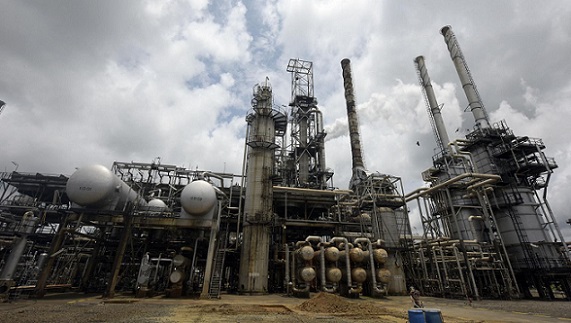
The KPC investment provides an existing infrastructure foothold while the proposed refinery and Turkana pipeline remain part of the group’s broader expansion plans.
Dangote Expands Regional Energy Interests
Dangote, Africa’s richest person, built his business empire around cement, sugar and flour before expanding into fertiliser and oil refining. His refinery near Lagos has a stated capacity of 650,000 barrels per day and is described as the world’s largest single-train refinery.
The Dangote Petroleum Refinery IPO officially closed on Wednesday, October 28, 2026, after a final extension past its initial October 27 deadline.
The acquisition of KPC adds a significant East African infrastructure investment to Dangote’s energy strategy, linking his refining ambitions with a pipeline network serving domestic and regional petroleum markets. The transaction also places a major private investor in an increasingly contested Kenyan privatisation programme, where questions remain over the role of public institutions and the financial outcomes of the pipeline company’s IPO.
Tweet