Flax Seeds 101: Nutrition, Benefits, and How to Eat Them
The Complete Guide to Flax Seeds: Types, Uses, and Health Perks

Health Vitamin C Basil Mustard Health Benefits Olive Oil Fruits Healthy Aging Nutritional Supplements Japanese Cuisine Honey Superfoods Food and Drink High Blood Pressure Cuban Cuisine Caviar B Vitamins Salt and Pepper Hot Sauce Fugu Food Vitamin B12 Defficiency Heart Disease Quercetin Phytonutrients
Flaxseed (Linum usitatissimum): A Comprehensive Guide to Its Botanical Profile and Nutritional Powerhouse

Commonly known as flaxseed or linseed, Linum usitatissimum is one of humanity’s oldest cultivated crops, prized for millennia not only for its durable textile fibers but also as a potent functional food.
Its very species name, usitatissimum, translates to "most useful", a fitting testament to its remarkable nutritional density and versatility.
Botanical Description
Botanically, the fruit of the flax plant manifests as a small, round, dry capsule, typically measuring 5 to 9 millimeters in diameter. This dehiscent capsule naturally splits open upon maturity to release its contents. Inside, it houses several glossy, smooth seeds, which range in color from deep amber to rich brown (with golden variants also available). These seeds are distinctly ovoid and flattened, tapering to a subtle point at one end, bearing a striking resemblance to an apple pip. They are generally small, measuring between 4 and 7 millimeters in length, yet they pack an extraordinary nutritional punch.

Nutritional Composition and Bioactive Compounds
The nutritional prowess of flaxseed lies in its dense, synergistic blend of macro- and micronutrients, making it far more than a simple dietary staple:
- Essential Fatty Acids (Omega-3s): Flaxseed is exceptionally rich in alpha-linolenic acid (ALA), a plant-based, essential omega-3 fatty acid. Since the human body cannot synthesize ALA on its own, dietary intake is crucial; this compound plays a foundational role in supporting cardiovascular health, reducing systemic inflammation, and maintaining cognitive function.
- Phytoestrogens (Lignans): Flaxseed is considered the richest dietary source of lignans, specifically secoisolariciresinol diglucoside (SDG). These antioxidant polyphenols are metabolized by gut microbiota into bioactive enterolignans, which exhibit potent anti-inflammatory and free-radical-scavenging properties. Emerging research highlights their role in promoting hormonal equilibrium and supporting cellular health.

- Dietary Fiber (Mucilage): The seed coat is abundant in mucilage gums, a type of soluble dietary fiber with exceptional water-holding capacity. Upon hydration, this mucilage forms a viscous gel that slows gastric emptying, aids in blood sugar stabilization, and promotes digestive regularity. Additionally, this gel-like property makes flaxseed a natural prebiotic, fostering a healthy gut microbiome.
- Protein and Amino Acids: Flaxseed offers a well-balanced array of amino acids, making it a valuable plant-based protein source. It is particularly rich in arginine and glutamine, which are vital for immune function and tissue repair. While it does not constitute a complete protein in isolation (being somewhat limiting in lysine), its amino acid profile complements other plant proteins exceptionally well when combined with whole grains.

- Essential Micronutrients: Beyond macronutrients, flaxseed delivers a robust spectrum of vitamins and minerals, including thiamine (vitamin B1) for energy metabolism, magnesium for neuromuscular function, phosphorus for bone health, and copper for red blood cell formation.
Holistic Health Implications
This multifaceted composition firmly establishes flaxseed not merely as a simple food ingredient, but as a comprehensive, functional nutraceutical. Regular, mindful consumption, whether ground, milled, or soaked, has been associated with improved lipid profiles, enhanced digestive transit, and better glycemic control, solidifying its status as a cornerstone of modern holistic nutrition.

Flax Flowers
Flax seeds come in two main varieties: brown and golden yellow. Most of these share comparable nutritional profiles and contain similar amounts of short-chain omega-3 fatty acids. The one notable exception is a yellow type known as solin (sold under the trade name Linola), which has an entirely different oil composition and is very low in omega-3s.
Although brown flax is just as edible as golden flax, and has been for centuries, it is more widely recognized for its industrial applications, including paints, fiber, and cattle feed. The seeds yield a vegetable oil commonly referred to as flaxseed oil or linseed oil, which ranks among the oldest industrial oils. For centuries, the solvent-processed variety has been valued as a drying oil in painting and varnishing.

FrizeMedia Ghana SEO SEM Digital Marketing Proposal
The Best And Top Digital Marketing And SEO Services In Ghana
Amino Acids Flaxseed contains a valuable set of five essential amino acids, Tryptophan, Threonine, Isoleucine, Leucine, and Lysine, each offering specific health benefits.
Tryptophan is crucial for the production of serotonin, a neurotransmitter essential for optimal mental function. Low serotonin levels are associated with depression and other mood-related conditions, which is why tryptophan is also used as a natural sedative to help manage insomnia.
Although often confused with tryptophan, Threonine is a distinct amino acid that helps balance proteins and supports their distribution to key areas, including the cardiovascular system, liver, central nervous system, and immune system.
Meanwhile, Isoleucine, though lesser-known, is indispensable for the formation of hemoglobin and plays an important role in regulating blood sugar levels.

Flax Fruit Capsules
A deficiency in isoleucine can manifest through a range of physical and neurological symptoms, including headaches, dizziness, fatigue, depression, confusion, and irritability. Meanwhile, leucine, another vital amino acid, serves multiple critical functions. It helps regulate blood sugar levels, supports the repair and growth of muscles, bones, and skin, and stimulates the production of growth hormones. Additionally, leucine accelerates wound healing, boosts energy reserves, and protects muscle proteins from breaking down during periods of physical trauma or stress. This amino acid is also particularly beneficial for individuals with phenylketonuria (PKU), a metabolic disorder that hinders the body's ability to process the amino acid phenylalanine.
Lysine plays a crucial role in the production of antibodies, hormones, and enzymes. It also facilitates calcium absorption, which is essential for repairing tissues and supporting healthy growth and development in children. Flaxseed is a great source of lysine, as well as other beneficial amino acids like aspartic acid, glutamic acid, and glycine. Beyond its nutritional benefits, flax is cultivated for its edible oil, dietary supplements, and as a key ingredient in many wood-finishing products.
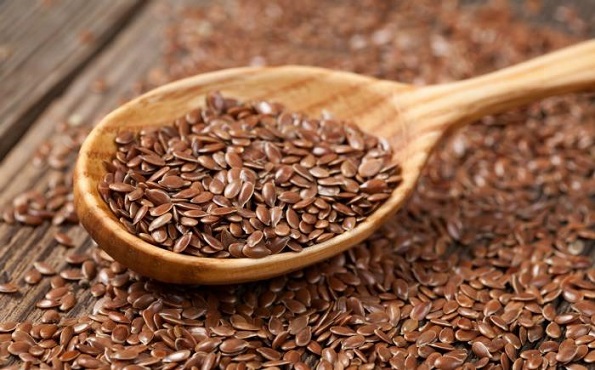
Brown Flax Seeds
Beyond its use as a garden ornamental, flax provides fibers for making linen. Its Latin species name, usitatissimum, translates to "most useful", a fitting tribute to its many traditional applications and significance to human life. Additionally, incorporating flax seeds or flaxseed oil into your diet is a beneficial way to ensure you get all the essential amino acids you need.
Cheese Characteristics And Care
Browse All Our Informative Topics
InternetBusinessIdeas-Viralmarketing Home Page

We Are Helping 1000 Businesses Amplify Their Online Presence
Tweet
Follow @Charlesfrize