Navigating Menopause: Health and Wellness

Understanding the Menopause Transition
Menopause Colon Cancer Health Information Breast Cancer Prenatal Vitamins Skin Cancer Phytonutrients Cataracts Prostate Kidneys Hair Loss Erectile Dysfunction B Complex Vitamins Quick Weight Loss Tips Quercetin High Blood Pressure Autism Medications Magnesium Diseases Nutritional Supplements Healthy Eating Heart Disease Anxiety Causes of Migraine Headaches Acne

Your Health Brand's Next Big Leap: Partner with FrizeMedia for Explosive Growth.
Menopause is a natural condition, not an illness. It occurs when the ovaries no longer produce enough estrogen to stimulate the lining of the uterus and vagina. Simply put, menopause is the stage in a woman’s life when she no longer menstruates or can become pregnant. It generally occurs between the ages of 40 and 60. One of the most well-known signs is the hot flash/flush, a sudden reddening of the face accompanied by a feeling of intense warmth. Other common symptoms include depression, fluid retention, insomnia, mood swings, nervousness, night sweats, painful intercourse, anxiety, urinary changes, thinning of vaginal tissues, vaginal dryness, and weight gain. It should be noted that some women experience few symptoms, while others experience none at all.
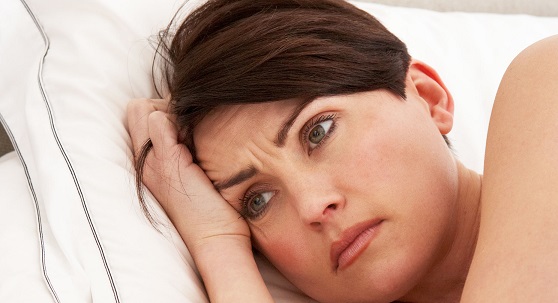
Women usually experience the first symptoms of menopause in their late thirties and early forties. Menopause is a natural, gradual transition that every woman undergoes. It is not a disease or illness; rather, it is the complete cessation of menstrual cycles for twelve months or more. Some women experience the first symptoms earlier than others. Early onset may be associated with higher stress levels, an unhealthy lifestyle, lack of regular exercise, irregular eating patterns, and insufficient consumption of healthy foods. The most prominent early symptom is irregular menstrual cycles, during which menstrual flow may be very heavy or extremely light.
When you first experience the symptoms of menopause, your menstrual cycle may become unpredictable. Periods may occur as often as every two weeks, or you may miss them for more than a month. Over time, the gaps between periods may widen. Menstrual flow can also vary: sometimes it may last three to five days, and other times it may continue for more than a week. In short, the early symptoms of menopause can completely disrupt what was once a regular, predictable menstrual cycle.
Other common early symptoms of menopause include breast tenderness, difficulty coping with stress, memory lapses, and psychological symptoms such as depression, anxiety, confusion, and mood swings. The onset of these early symptoms often coincides with weight gain. The body tends to retain more water, which can cause bloating. These symptoms reflect changes in hormone levels.

We Are Helping 1000 Businesses Amplify Their Online Presence
Such hormonal changes often explain your low energy and reduced motivation to face life’s challenges, in other words, a diminished interest in life. They also cause sudden hot flashes/flushes, which are the most common early symptoms of menopause. These flashes can occur at any time, often at night, and there is no way to predict when they will occur. More than 40% of women who still have regular menstrual cycles also experience hot flashes in their forties.

Health Wellbeing Diet Fitness Diseases Nutrition
They are therefore an early sign of menopause. There is no fixed time limit for the occurrence of such hot flashes. About 80% of women experience hot flushes for around five years, while about 10% experience them for as long as ten years. Although their onset and cessation cannot be predicted, these early menopausal symptoms definitely decrease over time.
Health And Fitness Information Tips And Advice
InternetBusinessIdeas-Viralmarketing Home Page

Tweet
Follow @Charlesfrize