Thought Leadership
The Strategy of Leading

Level Up Your Leverage: A 90-Day Leadership Operating System

A conversation among supervisors at a utility company revealed a common but flawed approach to poor performance.
One supervisor advised another to “put the screws to” a struggling employee, relying on rewards and punishments to force change.
The frustrated reply, “I’ve put so many screws to him he’s dead weight!”, highlighted the failure of this outside-in method.
The problem is, such tactics are often the least effective. Poor performers are typically smart and tenacious, in their underperformance. To create real change, leaders must replace coercion with an inside-out approach that cultivates genuine commitment.
Aesop’s fable of the sun and the wind makes the lesson clear: the wind’s forceful bluster only made the man clutch his coat tighter, while the sun’s warmth motivated him to remove it gladly. Leadership works the same way. Lasting change comes not from demands, but from creating conditions where people choose to change.
This principle is the foundation of a powerful tool: the 90-Day Improvement Plan. As one business leader explains, such a plan is a structured, two-part document. The first page states the necessity of improvement, while the second details specific, actionable steps for achieving it. The key is precision, for example, shifting a strategic thinker to precise, immediate actions like targeted calls and quick-closing goals.

Critically, the plan’s objective is improvement, not termination, though it should note that failure to meet objectives may lead to dismissal. Some leaders use it alongside a 20/60/20 ranking system, specifically targeting the bottom 20% with the goal of transforming them into indispensable contributors.
To avoid the plan becoming just another punitive “screw,” it must be built on commitment, not mere compliance. Follow this four-step collaborative process:
1. Secure Agreement: All parties must voluntarily agree to develop a plan. Imposition guarantees resistance.
2. Solicit Their Input First: Ask the employee what should be in the plan. You retain veto power, but by prioritizing their suggestions, you build ownership. Only after their ideas are exhausted should you add your own.
3. Co-develop the Plan: Draft the final document together, ensuring mutual agreement on every action step.
4. Implement with Support: Execute the plan with regular check-ins (weekly or bi-weekly) to monitor progress and provide support.
When forced upon someone, an improvement plan is just another weapon. But when built with mutual consent and enthusiasm, it transforms into a screwdriver, a tool the employee themselves can use to tighten their own performance and build a path to success.

Leadership - The Modesty of Supporting From Behind.

Leadership is often perceived as the role of the person who is visibly leading from the front. However, there is equal, if not greater, power in being the pillar of support. Working alongside a leader like Elumelu has taught me that true greatness frequently emerges from the ability to empower others to take the reins. To be positioned behind the scenes is to maintain stability, to establish a solid foundation, and to guarantee that the journey progresses without disruptions.
Consider the role of a mentor or advisor who, although not in the spotlight, plays a crucial role in steering the course of a project or organization. They provide the essential guidance and resources that allow others to shine and succeed. Research indicates that organizations with strong support systems see a significant increase in employee satisfaction and productivity, with studies showing up to a 25% improvement in performance metrics.
Moreover, supporting from behind requires a unique set of skills, including emotional intelligence, patience, and foresight. It involves recognizing the potential in others, offering encouragement, and providing constructive feedback. The humility involved in this role is profound, as the satisfaction comes from seeing others achieve their goals and realizing that one's contribution was instrumental in their success.
In essence, while the leader may receive the accolades, the steadfast support from behind ensures that every milestone is achieved with precision and the team remains cohesive and motivated. Embracing this modest yet influential role can lead to a more inclusive and dynamic form of leadership that values collaboration and shared achievements.
Charles Friedo Frize
Founder / CEO FrizeMedia ThoughtLeader Entrepreneur Visionary
Tolerating Habits And Unreasonable Requests
Thought leadership: Imagine having more energy or more time to focus on the things you really want. Imagine being able to move forward in your life without some of your current stress. Doesn’t that sound good? We all have things in our life that we just put up with or tolerate, for example, a cluttered desk, a messy closet, a squeaky door, a sloppy significant other or child, even STRESS. While the toleration may not seem to be a big deal on the surface…don’t be fooled, they are! Toleration drain us of valuable energy. They prevent us from moving forward.
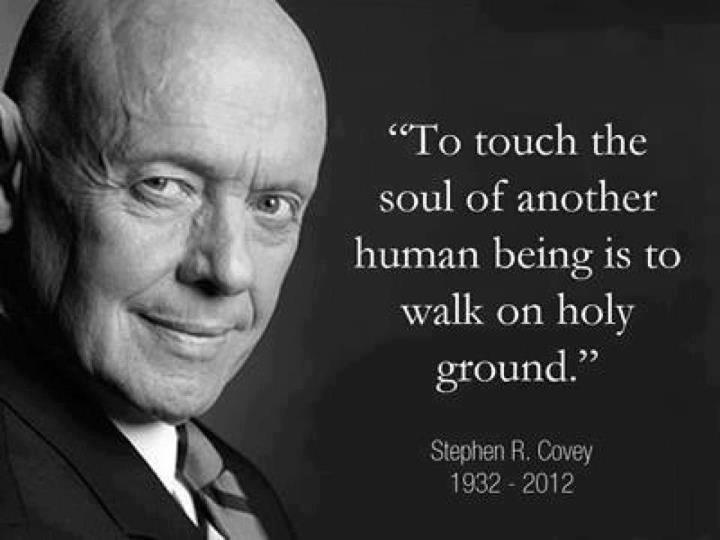
Thought Leadership - Dare To Be An Inspiration
They are a distraction and they waste time, time that could be spent on something proactive and productive. What are you tolerating and how are they serving you? There is no better time then the present to become free of draining toleration. Here is an exercise that will help you get a handle on those things that are draining you...
1) Make a list of all the things you feel you are currently tolerating.
2) Once you have your list in hand, go over it and look for the pivotal toleration. A pivotal toleration, when removed, removes others with it.

Thought Leadership - Having Power And Not Using It Is Gentleness
3) Look at what is causing your toleration and be sure to remove the cause or the root of the toleration. (A toleration is like a weed, if you do not remove the root, the toleration will just return.)
4) If your toleration list feels overwhelming, again first look for all the pivotal toleration, transferring three or four to a new list. Breaking your list down into bite-sized pieces will help it become more manageable and less overwhelming.
Unreasonable Requests "The reasonable man adapts himself to the world; the unreasonable one persists in trying to adapt the world to himself. Therefore, all progress depends on the unreasonable man." -- George Bernard Shaw, Maxims for Revolutionists. It is probably the number two task of leadership -- asking. You ask people to do things, and when they do -- well, stuff happens. But what really extends your ability to make big things happen is asking for things that are "unreasonable."
What is unreasonable? Asking people for things you have no right to expect from them, which under ordinary circumstances, you would expect them to say, "no." But asking anyway. The trick is to expect them to say yes, and not worry about whether they do or they don’t. Create a game in your business.

The game is for everyone to continually be unreasonable in what they ask of each other. And not just internally -- externally as well. Include all your stakeholders in this game. (You choose whether or not to tell them about the game.) Do you think this game could rocket your project forward? If making requests is not a normal activity for most people in businesses, unreasonable requests are doubly abnormal.
Most of us don’t want to risk rejection -- so we ask for small things, easy things, wimpy things, and make it easy for people to say yes. Keeping your requests small is a good strategy if you are no-o-phobic, but it limits your results.

Thought Leadership - Respect
The action in your business is moved forward in direct proportion to the size of your requests, so to move things along quickly, you have to ask big. Think of what changes would make your requests unreasonable. Whatever you were going to ask for, ask for more. Whenever you wanted it, ask for it sooner. Whatever you were willing to pay or trade, ask for it for less, or free. You get the idea. Make your requests larger. Bigger. Faster. Cheaper. Outrageous. Make them unreasonable. Dream Big.
Build Influence And Empower Your Team
Catch The Entrepreneurial Spirit
5 Tips To Supercharge Your Motivation
Browse All Our Informative Topics
InternetBusinessIdeas-Viralmarketing Home Page
Tweet
Follow @Charlesfrize