Gluten-Free Cooking Made Simple: Your Complete Guide to Thriving in a Gluten-Filled World
Understanding Gluten and Where It Hides

Essentials of Cooking Food and Drink Gourmet Coffee Health Fruits Food Gift Basket East Indian Cuisine Pizza Egg Recipes Raw Food Italian Cuisine Healthy Eating Basil Vitamin D Milk Food Poisoning Nutritional Supplements Green Tea benefits Vitamin C Magnesium Diabetes Breast Cancer
Gluten-Free Cooking: A Comprehensive Guide to Thriving in a Gluten-Filled World
For a growing number of people, avoiding gluten is not a lifestyle trend, it is a medical necessity.
Whether due to celiac disease, non-celiac gluten sensitivity, or a wheat allergy, the need for gluten-free cooking has moved from the fringes to the mainstream. What was once a daunting and restrictive challenge is now an increasingly manageable, and even enjoyable, way of life, thanks to better labeling, more products, and a wealth of shared knowledge.
This guide refines and expands on the essentials of gluten-free cooking, fact-checks common assumptions, and provides up-to-date tips to help you navigate the kitchen with confidence.
Understanding Gluten and Who Needs to Avoid It
Gluten is a protein found naturally in wheat, barley, rye, and crossbreeds of these grains such as triticale. It is what gives bread its structure, elasticity, and satisfying chew. For most people, it is harmless. But for those with gluten-related disorders, it triggers a range of symptoms, from digestive distress to serious autoimmune damage.
The statistics are sobering. Celiac disease, an autoimmune condition where gluten damages the small intestine, affects roughly 1.4% of the global population based on pooled seroprevalence data, with about 0.7% having biopsy-confirmed disease. In the United States alone, an estimated 3.1 million people follow a gluten-free diet, and a striking 72% of them do not have celiac disease, they are people without celiac disease avoiding gluten (PWAGs), often due to non-celiac gluten sensitivity or personal preference. Survey data from 2025–2026 shows that about 10% of female respondents and 13% of millennials in the U.S. report following a gluten-free diet. Globally, adherence varies widely, but the trend is unmistakable: gluten-free eating is here to stay.
For those with a genuine medical need, gluten-free cooking is not optional. The only effective treatment for celiac disease is a lifelong, strictly gluten-free diet. The good news is that the food industry has responded. The global gluten-free food market was valued at approximately USD 8.12 billion in 2025 and is projected to expand significantly in the coming years.
The Golden Standard: What “Gluten-Free” Actually Means
Before you start cooking, it is critical to understand what “gluten-free” legally means, especially if you are shopping for packaged ingredients.
In the United States, the Food and Drug Administration (FDA) mandates that any food labeled “gluten-free,” “no gluten,” “free of gluten,” or “without gluten” must contain less than 20 parts per million (ppm) of gluten. This threshold is not arbitrary: it is the lowest level that can be reliably detected using scientifically validated analytical methods, and most people with celiac disease can tolerate foods with trace amounts below this limit. The rule also specifies that a gluten-free labeled food cannot contain any ingredient that is wheat, rye, barley, or a crossbreed of these grains, nor can it contain an ingredient derived from them that has not been processed to remove gluten.
Fact-check: There is an assertion that gluten is “commonly found in flour products” is accurate but incomplete. Gluten hides in less obvious places: soy sauce, malt vinegar, some salad dressings, canned soups, and even certain medications and cosmetics. Always read labels, and look for third-party certification seals (such as the Gluten-Free Certification Organization mark) for an extra layer of confidence.
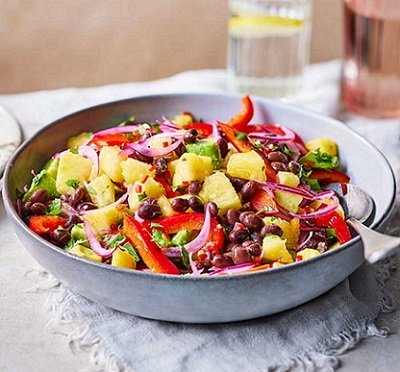
The Kitchen Battlefield: Preventing Cross-Contamination
Cross-contamination, often called cross-contact, is the silent saboteur of gluten-free cooking. Even a few crumbs from a shared toaster or a knife dipped into a shared peanut butter jar can be enough to trigger a reaction in someone with celiac disease. Dining out is difficult, but the home kitchen poses equally serious risks.
Essential tips for a safe gluten-free kitchen:
- Wash thoroughly, but you do not need separate dishes. Standard washing-up liquid or a dishwasher cycle removes gluten from pots, pans, plates, and utensils. You do not need to use separate cloths or sponges.
- Isolate high-risk tools. Toasters, colanders, sieves, waffle makers, and wooden cutting boards are notoriously difficult to clean completely. Consider dedicating separate equipment for gluten-free use, or replace deeply scratched wooden boards altogether.
- Manage condiments carefully. Shared butter, jam, peanut butter, and spreads are common sources of cross-contact from “double-dipping” crumbs. Use separate containers or always use a clean utensil for the gluten-free version.
- Be fryer-smart. Use clean oil or a separate fryer for gluten-free foods. If grilling, scrub grates thoroughly, heat to burn off residue, and consider using grill mats or foil as a barrier for gluten-free items.
- Store smartly. Keep gluten-free flours and grains in sealed containers to prevent flour dust from settling on other foods. Organize your pantry so gluten-free items are easy to identify and less likely to be contaminated.
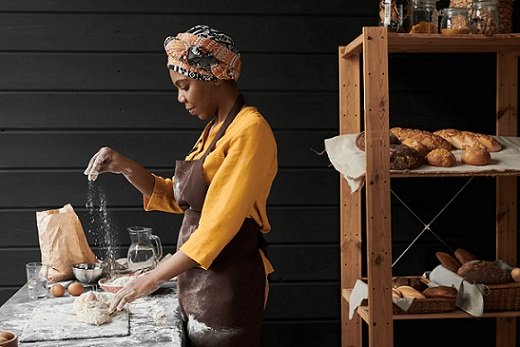
Mastering Gluten-Free Baking: Science, Not Sorcery
Gluten-free food “doesn’t have to taste like cardboard.” That is true, but it requires understanding why gluten-free baking is different. Gluten provides elasticity, structure, and moisture retention. Remove it, and you must compensate with a blend of flours, starches, and binders.
Key baking tips, updated for 2025–2026:
- Do not rely on a 1:1 flour swap. One of the most common mistakes home bakers make is substituting gluten-free flour directly for all-purpose or bread flour in a recipe without adjustments. Gluten-free flours behave differently and often require additional liquid, binders (such as xanthan gum or psyllium husk), and leavening agents.
- Lower the oven temperature. Gluten-free baked goods tend to brown faster than wheat-based ones. Reduce the oven temperature by about 25°F (approximately 15°C) and bake for 5 to 10 minutes longer to allow the interior to set without burning the crust.
- Let your batter rest. Gluten-free flours take longer to absorb moisture. Letting batters and doughs rest on the counter for 10 to 20 minutes before baking gives the flour time to hydrate and improves the final structure.
- Choose the right pan. Because gluten-free batter lacks the elasticity to trap gas and rise evenly, using a bundt pan or making cupcakes instead of a single large cake can help eliminate the dreaded “raw in the middle” problem.
- Build a flour blend. A good all-purpose gluten-free blend typically combines a whole-grain flour (brown rice, sorghum) with starches (tapioca, potato starch) to mimic the texture of wheat flour. For specific recipes, blending flours such as soy, cornstarch, and tapioca can yield better results than a single flour alone.
- Explore naturally gluten-free whole grains. Instead of relying solely on refined white rice flour, incorporate nutrient-dense options like quinoa, buckwheat, millet, sorghum, teff, amaranth, and certified gluten-free oats.
Dining Out and Navigating the Modern Food Landscape
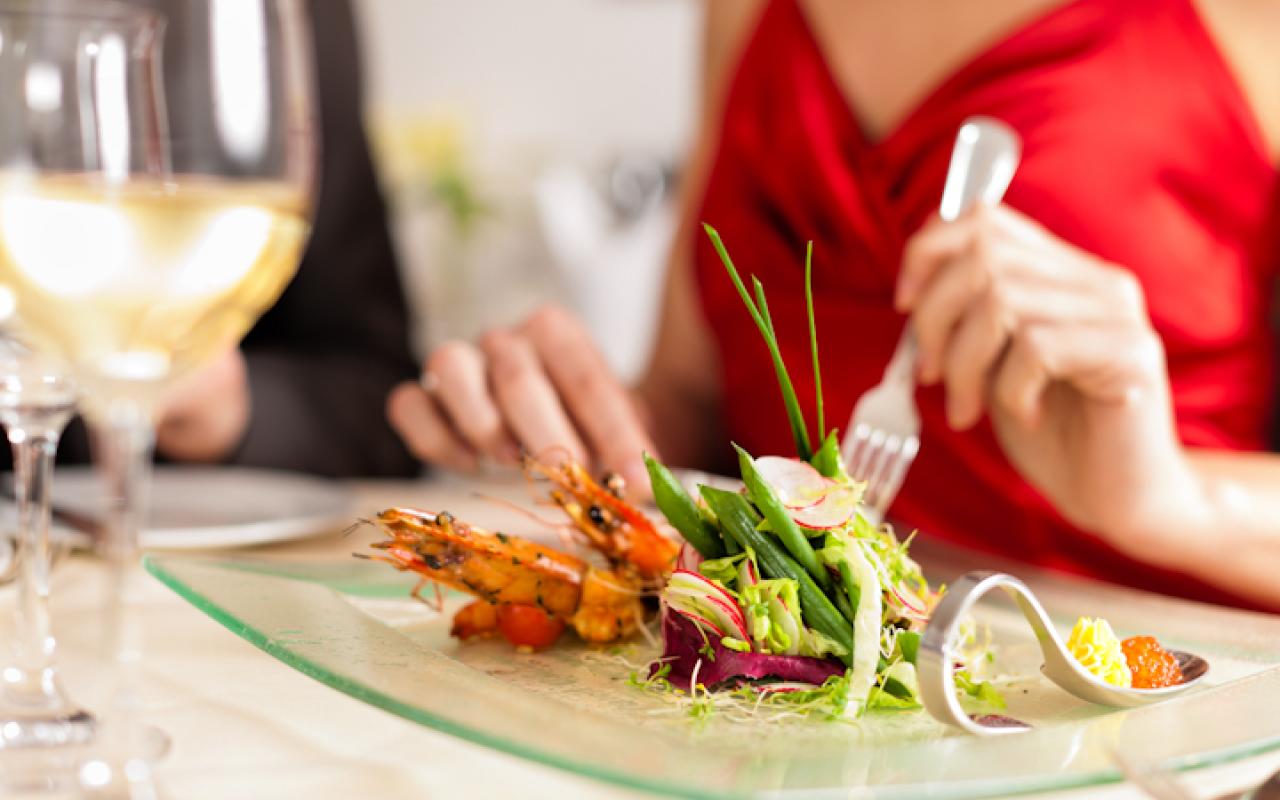
Restaurants are increasingly accommodating gluten-free needs, and that trend has accelerated. Gluten-free is no longer a niche request, it has become a menu mainstay. Major chains and independent restaurants alike now offer gluten-free buns, pasta, and pizza crusts. Entirely gluten-free restaurants and bakeries are opening in cities worldwide, from dedicated burger joints to gourmet gluten-free pizzerias.
However, dining out still requires vigilance. Cross-contact in restaurant kitchens remains a real risk. When ordering, communicate clearly that you have a medical need (not a preference), ask about dedicated preparation areas and fryers, and do not hesitate to ask questions. Many restaurants now train staff on allergen protocols, but consistency varies.

A Practical Starter Guide: Tips for the Newly Gluten-Free
If you are new to gluten-free cooking, the transition can feel overwhelming. Here is a step-by-step approach to build confidence without burning out.
1. Focus on naturally gluten-free whole foods first. Meat, fish, eggs, fruits, vegetables, legumes, nuts, and most dairy are naturally gluten-free. Build your meals around these staples before exploring specialty products.
2. Get tested before you eliminate. If you suspect celiac disease, do not start a gluten-free diet before testing. Removing gluten can lead to false-negative test results and delay a proper diagnosis.
3. Read every label, every time. Ingredients change. Watch for hidden sources such as malt (derived from barley), wheat starch, and ambiguous terms like “natural flavors”. In many countries, gluten-containing allergens are highlighted in bold on ingredient lists.
4. Stock your pantry strategically. Keep gluten-free flours, starches, certified gluten-free oats, rice, quinoa, and safe condiments on hand. Organize them separately from gluten-containing foods.
5. Invest in a few key tools. A dedicated toaster, a separate colander, and clean cutting boards will dramatically reduce your cross-contact risk.
6. Embrace the challenge, one recipe at a time. You do not have to master gluten-free bread overnight. Start with simpler dishes, stir-fries with rice noodles, tacos on corn tortillas, hearty salads, and sheet-pan dinners, and gradually expand your repertoire.
7. Tap into community resources. Organizations such as the Celiac Disease Foundation, Beyond Celiac, and the Gluten Intolerance Group offer extensive recipe databases, label-reading guides, and support networks. Online communities and blogs are also invaluable for practical, tested advice.
The Bottom Line
Gluten-free cooking is not a sentence to a life of cardboard crackers and joyless meals. It is a skill, one that improves with practice, knowledge, and the right tools. The food landscape has transformed in the past decade, and the resources available today are richer than ever. By understanding the science, prioritizing safety, and approaching the kitchen with curiosity rather than dread, you can create meals that are not only safe but genuinely delicious. The challenge is real, but so is the sense of accomplishment that comes from mastering it.

Tweet